



 Français
 Español
 Deutsch
Content
Clients often send us a specification that says "flat pillow," and our first question back is: what position do you sleep in? That is not a sales delay; it is the core of the problem. A flat pillow is not automatically better for your neck. For back and stomach sleepers, a low-loft pillow usually supports the cervical spine better than a thick one. For side sleepers, the same flat pillow often leaves the neck angled to the side, which can create stiffness and pain by morning.
At our bedding factory, this question comes up in nearly every pillow project. We have tested dozens of fills, lofts, and overnight silhouettes. The short answer is that flatness matters less than loft and support. The longer answer depends on your body, your mattress, and the material inside the pillow.
What "Flat Pillow" Actually Means
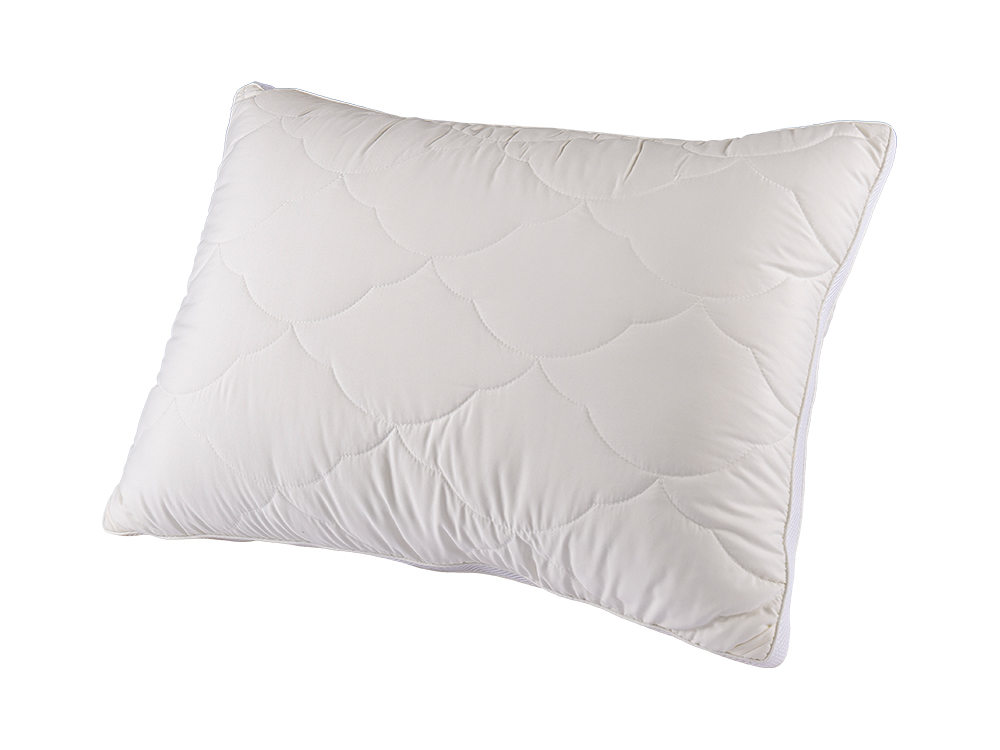
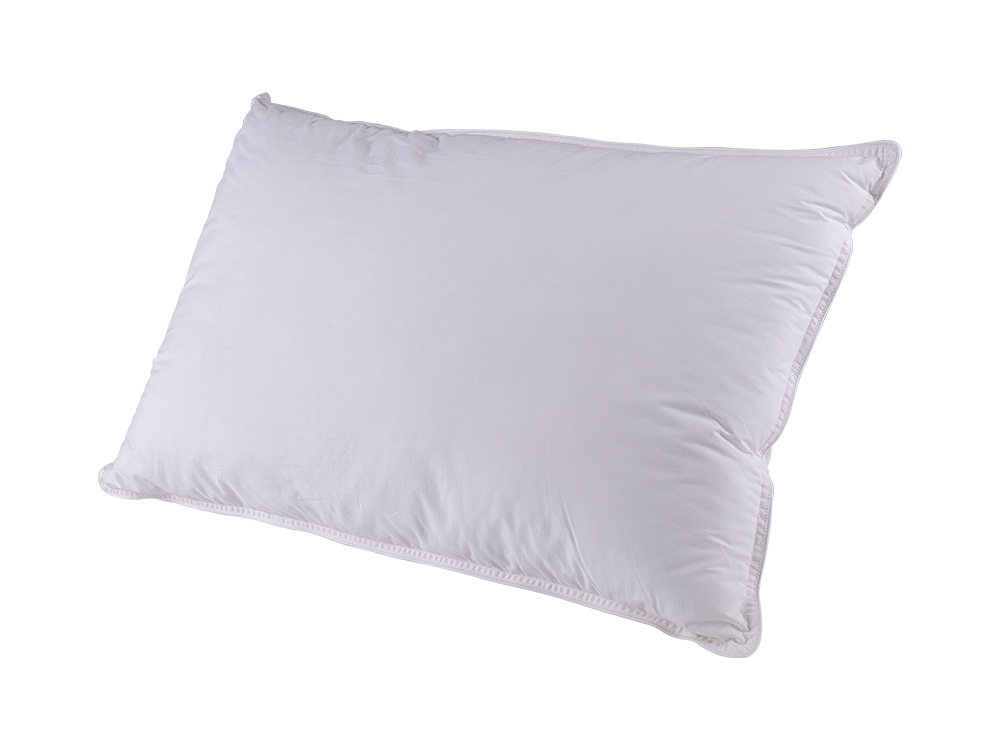
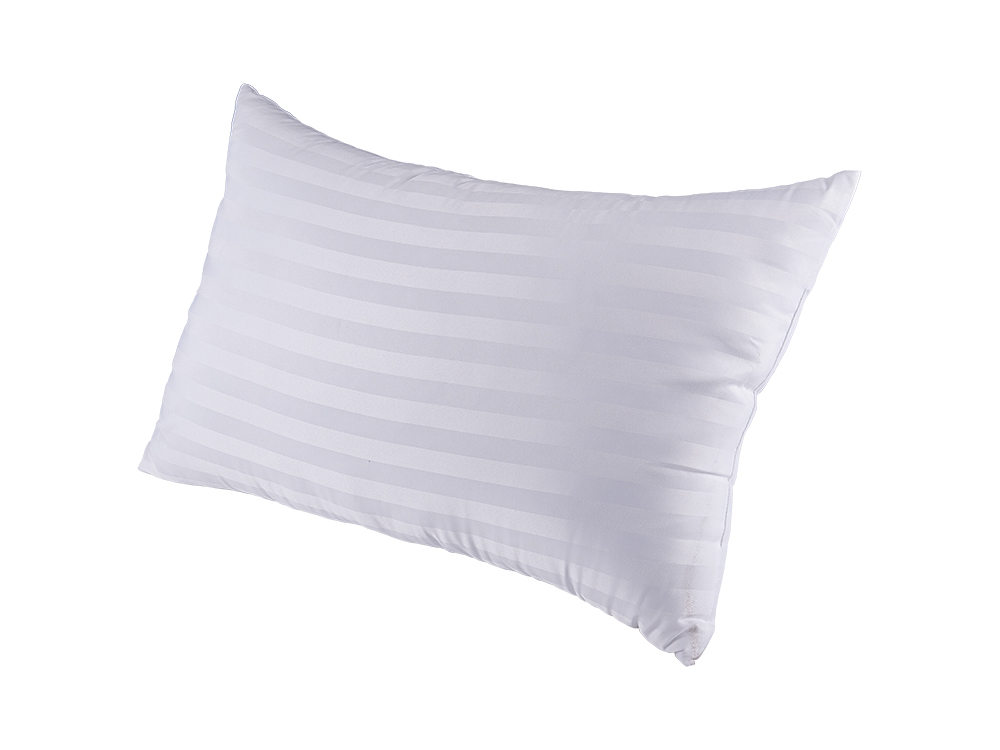
A flat pillow is not a single product category. In retail descriptions and B2B specifications, "flat" usually means low loft, a relatively horizontal sleeping surface, and less contour than a thick pillow. It can be made from cotton, polyester fiber, memory foam, or a down-alternative blend. Two pillows that look equally flat can differ greatly in the way they support the neck, because support depends on density, fill weight, and the fabric envelope.
Pillow loft is the height of the pillow after your head applies pressure, not the height when it sits on the bed. A plush pillow can look thick but compress to almost nothing, while a cotton pillow with a dense outer layer can feel firm even at low height. That distinction matters when you compare products based on appearance alone.
Why Loft Matters More Than "Flat"
The neck pain connection is usually not about the pillow surface; it is about the alignment of the cervical spine. Your neck has a natural forward curve, and the muscles around it work to hold your head upright for hours. If a pillow is too high, the head is pushed into an upward tilt. If a pillow is too low, the head drops and the lower cervical spine can compress. In both cases, the muscles work harder than they should, and the result can be morning stiffness, tension headaches, or joint discomfort.
| Sleeping position | Compressed loft range | Main goal |
|---|---|---|
| Side | 10-15 cm (4-6 in), closely matching shoulder width | Keep the cervical spine in a straight line |
| Back | 5-8 cm (2-3 in) | Support the natural curve without pushing the chin forward |
| Stomach | 0-5 cm (0-2 in), or no pillow | Minimize extension in the lower cervical spine |
The numbers are not universal. Shoulder width, mattress sinkage, and pillow material all shift the ideal range. A 12 cm pillow for one person may be 9 cm for someone with a smaller frame. What matters is the result: your ear, shoulder, and hip should line up when you lie on your side, and your forehead should not tilt up or down when you lie on your back.
The mattress underneath changes the answer too. On a soft mattress, the shoulder sinks deeper, so a side sleeper can often use a lower pillow. On a firm mattress, the shoulder stays higher and the neck gap is larger; the same "flat" pillow can feel like no pillow at all. That is why a pillow should be evaluated together with the mattress, not on its own.
When Flat Pillows Are the Better Choice
- Back sleepers. A low-loft pillow supports the neck without pushing the head too far forward, which reduces strain on the cervical joints. Most back sleepers do best with a relatively flat profile that fills only the gap under the neck curve.
- Stomach sleepers. A very thin pillow, or no pillow at all, lowers the rotational stress on the neck. If you sleep this way, a flat pillow is usually better than a high-loft one. For more detail, our guide to thin pillows for stomach sleepers covers sizing and material choices in practice.
- Combination sleepers. If you switch between your back and stomach during the night, a flatter pillow is easier to move or push aside. A tall, contoured pillow can feel awkward when you turn onto your stomach.
- People with a forward-head posture. Some desk workers already hold their head too far forward. A lower pillow can reduce the tendency to keep that position during sleep, although it cannot correct the underlying muscle pattern by itself.
That said, a flat pillow cannot fix poor posture. It simply removes extra lift. If your neck pain comes from weak muscles or long hours at a desk, changing the pillow alone will not solve the problem. A pillow is one part of the sleep environment, not a therapy device.
When a Flat Pillow Can Make Neck Pain Worse
Side sleepers are the biggest group that should avoid a very flat pillow. When you lie on your side, the gap between your neck and the mattress is wider because your shoulder is under your head. A flat pillow lets the neck drop laterally. Over hours, this can tighten the muscles on one side of the neck and create the exact pain you were hoping to avoid.
- Side sleepers with broad shoulders or firm mattresses. The wider the shoulder gap, the more loft you need. A flat pillow will leave the neck bent sideways all night.
- People who start on their back and roll onto their side. A pillow that feels good on the back can be too low when you turn. If that happens regularly, a pillow with a slightly higher side edge may be a better compromise.
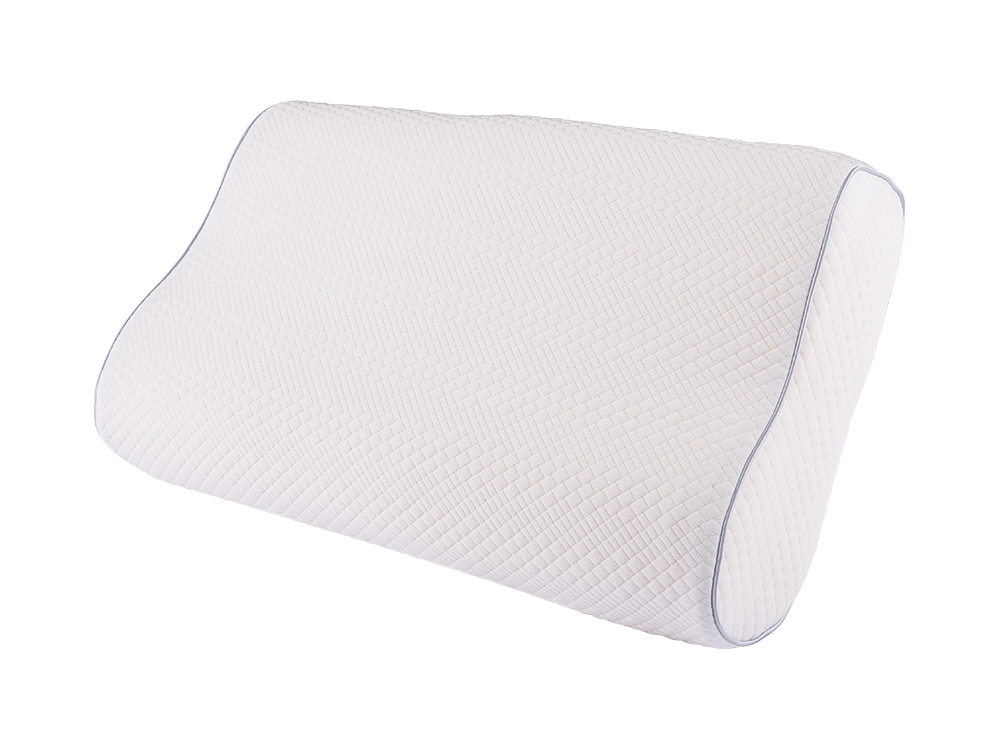
- Sleepers who need subtle cervical support. A completely flat slab of soft fill may offer no support under the natural curve. If you like a low profile but feel the neck is unsupported, a contoured neck pillow
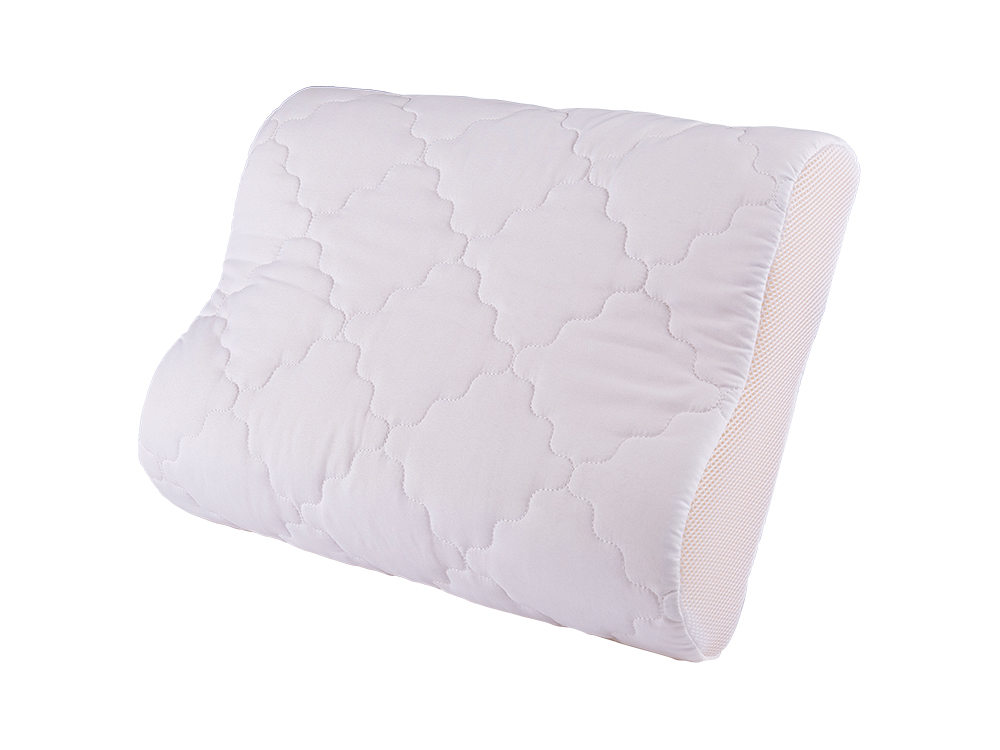 Neck Support Pillows Manufacturers, Neck Sleep Pillow FactoryTongxiang Xinlong Bedding Co., Ltd. is China Neck Support Pillows Manufacturers and Neck Sleep Pillow Factory, we offer Custom Neck Sleep...View Product → with a lower center and slightly raised sides can provide better structure without adding visible height.
Material also changes the risk. A cotton pillow that packs down to 3 cm can feel flat but unsupportive, especially if your head sinks into the mattress. The pillow should support your head, not simply disappear underneath it.
How to Choose a Low-Loft Pillow That Actually Supports Your Neck
Do not choose by the word "flat" on a label. Choose by testing the compressed height and the feeling of alignment. A quick test will tell you more than a product description.
A Quick Bedside Test
- Press the pillow down for one minute to remove excess air.
- Lie in your normal sleeping position for at least five minutes.
- Ask someone to take a side photo, or check with your phone camera.
- Look for a straight line from your ear to your shoulder. Your chin should not be tucked into your chest or lifted toward the ceiling.
Materials Worth Testing
- Cotton fill. Cotton is breathable and feels natural, but it can pack down with use. A cotton pillow with a dense weave or an internal support layer will hold its shape better than a loosely filled one.
- Polyester fiber. Polyester is light, affordable, and easy to care for. The main risk is bottoming out; ask for fill weight and fiber fineness if you buy wholesale, because a low-grade fiber can collapse before morning.
- Memory foam. Memory foam softens with body heat and conforms gradually. A low-profile memory foam pillowMemory Foam Pillow Manufacturers, OEM/ODM FactoryTongxiang Xinlong Bedding Co., Ltd is China Memory Foam Pillow Manufacturers and Memory Foam Pillow OEM/ODM Factory, offer Custom Memory ...View Product → can offer even pressure distribution without raising your head, which makes it a practical choice for people who want a flat-feel product with more resilience.
A common mistake is choosing by loft alone and ignoring density. A pillow with low loft but soft foam can still feel unsupportive because your head sinks too deep. The goal is a pillow that feels low, not soft to the point of collapse. When ordering in bulk, specify the compressed height and firmness rather than just "flat"; that gives the factory a measurable target and keeps the product consistent from sample to production.
Flat pillows are not a universal solution. They work well for back and stomach sleepers, and they can be part of a good sleep setup for combination sleepers. For side sleepers, a flat pillow often creates more problems than it solves. The better question is not "flat or thick" but "does the pillow keep my neck in a neutral line?" Test the pillow with your own body, check the compressed height, and choose a material with enough resistance. That will get you closer to a comfortable night and a less painful morning.


 +86-573-88798028