



 Français
 Español
 Deutsch
Content
- 1 Why Memory Foam Feels Hard in the Cold
- 2 What Changes in a Cold Bedroom
- 3 Does It Stay Hard All Night?
- 4 How We Test and Specify Foam for Cold-Climate Buyers
- 5 Practical Ways to Soften a Cold Memory Foam Pillow or Mattress
- 6 Cold Weather, Shipping, and Storage: A Manufacturer’s Checklist
- 7 When Cold Firmness Is Actually a Quality Issue
- 8 Frequently Asked Questions
- 9 Final Thoughts
If you have ever unzipped a memory foam pillow on a cold winter morning, you know the feeling: it seems to have lost its softness overnight. The surface feels firm, almost board-like, and takes a moment to yield. That experience is common, and it does not mean the foam is ruined. At our bedding factory in Tongxiang, we answer this question often from buyers, hotel suppliers, and families alike. The short answer is yes, memory foam can get hard when cold, but the way it behaves is more interesting than a simple yes or no.
Why Memory Foam Feels Hard in the Cold
Memory foam is a viscoelastic polyurethane foam. “Visco” refers to how it responds to pressure over time; “elastic” refers to how it returns to shape. Unlike a simple springy foam, memory foam is designed to soften with body heat and then slowly recover. Temperature is part of that design. When the room is cool, the polymer chains move less freely, the foam’s cell walls become stiffer, and the material resists compression. It is not usually frozen solid in a normal bedroom. It is simply firmer and slower to react.
That is why a memory foam pillow or mattress topper can feel quite different in January than in July. The foam is not changing its identity; it is responding to the environment. Once your head or body rests on it, heat begins to move into the foam. The surface warms, the polymer softens, and the familiar contouring feel returns. The process can take a few minutes, and longer in a very cold room or with a dense, high-quality foam.
What Changes in a Cold Bedroom
Room temperature is the biggest factor, but it is not the only one. Humidity, bedding layers, mattress foundation, and the foam’s density all influence how hard it feels. A pillow with a tight, non-breathable cover may feel cold and firm at first. A foam mattress placed on a cold floor or near a window may stay stiff longer. A warm duvet can trap body heat and help the foam soften, while a thin sheet may leave the surface cooler.
| Room temperature | What you may notice | Practical response |
|---|---|---|
| Below 15°C (59°F) | Foam feels firm and slow; recovery may take several minutes | Warm the room if possible; give the foam time under body heat |
| 15–20°C (59–68°F) | Noticeably firmer than usual, especially in the first few minutes | Use bedding to trap warmth; avoid judging the foam immediately |
| 20–24°C (68–75°F) | Close to the intended feel for many memory foam products | Normal use; no special action needed |
| Above 24°C (75°F) | Foam feels softer and more conforming; may sleep warmer | Use breathable bedding and avoid overheating the room |
Does It Stay Hard All Night?
Usually not. In a typical bedroom, body heat and bedding create a small warm microclimate around the foam. The surface softens first, then the deeper layers warm more slowly. If you lie down and the pillow still feels like a brick after twenty or thirty minutes, the room may be very cold, the foam may be unusually dense, or the product may be older and less responsive. A quick test with your hand is not enough; memory foam needs sustained contact and time.
For our own memory foam pillow range, we explain this warm-up period to buyers because it affects first impressions in stores and in homes. A pillow that feels firm on a cold display shelf may feel completely different after a few minutes of contact. If you are sourcing for a cold-climate market, test the foam at the temperature where it will actually be used.
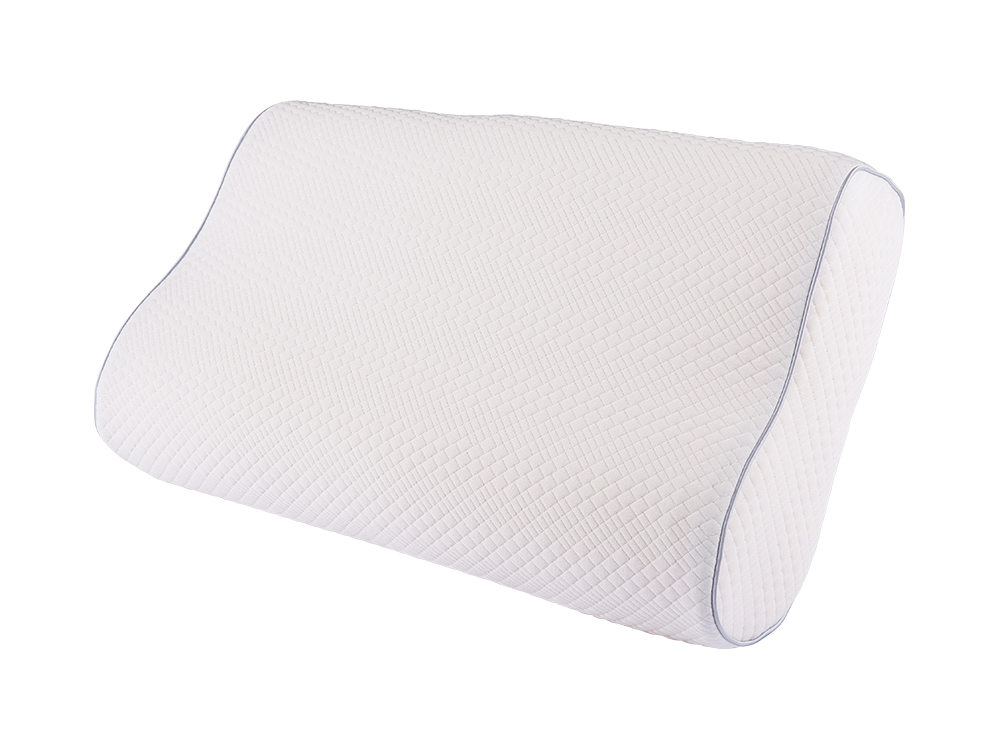
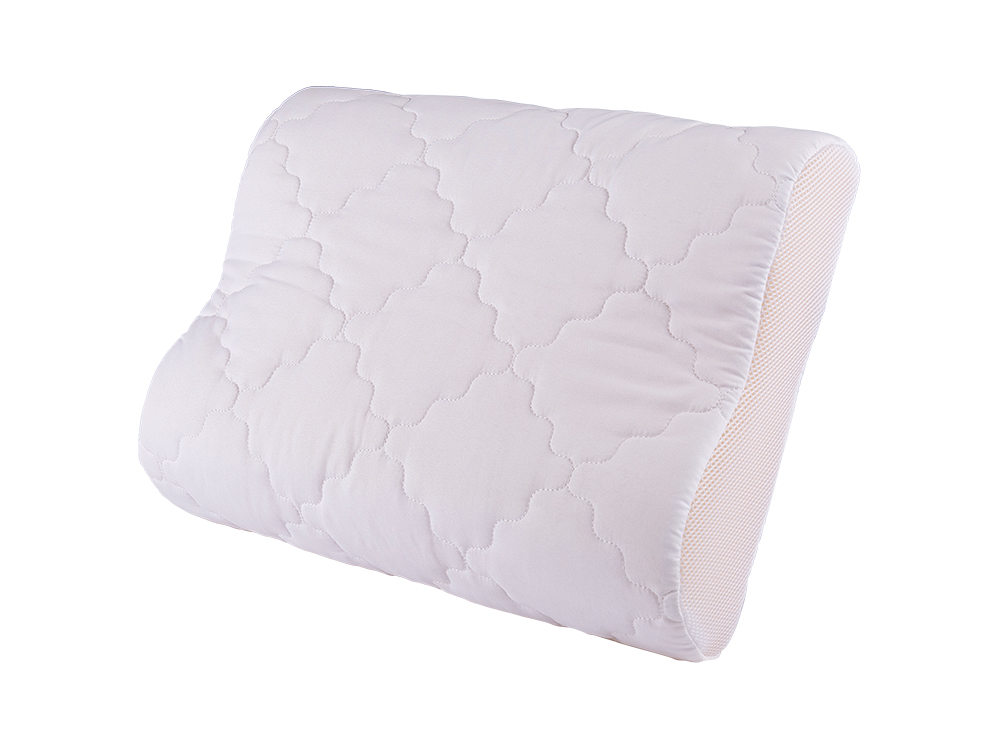 Customizable Slow-Rebound Memory Foam PillowOEM/ODM pillow with contoured slow-rebound foam and custom sizing, relevant for cold-climate buyers testing firmness and warm-up.View Product →
How We Test and Specify Foam for Cold-Climate Buyers
Not all memory foam behaves the same way in the cold. Formulation, density, cell structure, and additives all matter. A high-density foam may feel very firm at low temperatures but offer long-term support. A more open-cell foam may warm up faster but feel softer. Gel infusions and other phase-change materials can influence temperature response, though they are not a magic fix. The practical goal is to match the foam to the climate, the product, and the sleeper’s expectations.
In our work, we ask buyers where the product will be stored, shipped, and used. A pillow destined for a heated hotel room has different requirements from one sold in an unheated cabin or a cold-weather market. We also allow foam to stabilize at room temperature before final inspection. Packaging compression can make a product look hard or thin when first opened, so we recommend a settling period before judging loft and softness. You can learn more about our background and production approach on our about page.
Practical Ways to Soften a Cold Memory Foam Pillow or Mattress
The best solution is usually gentle warmth and a little patience. Try these steps:
- Warm the room rather than applying direct high heat to the foam.
- Give the foam ten to twenty minutes of body contact; your own warmth is the most natural way to soften it.
- Use breathable bedding. Too many heavy layers can make you sweat, while a cold, bare surface delays warm-up.
- Add a washable mattress protector to keep the foam clean and create a comfortable buffer.
- Avoid placing foam directly against radiators, space heaters, or electric blankets on high settings.
- Store foam products in a dry, conditioned space, not a cold garage or damp basement.
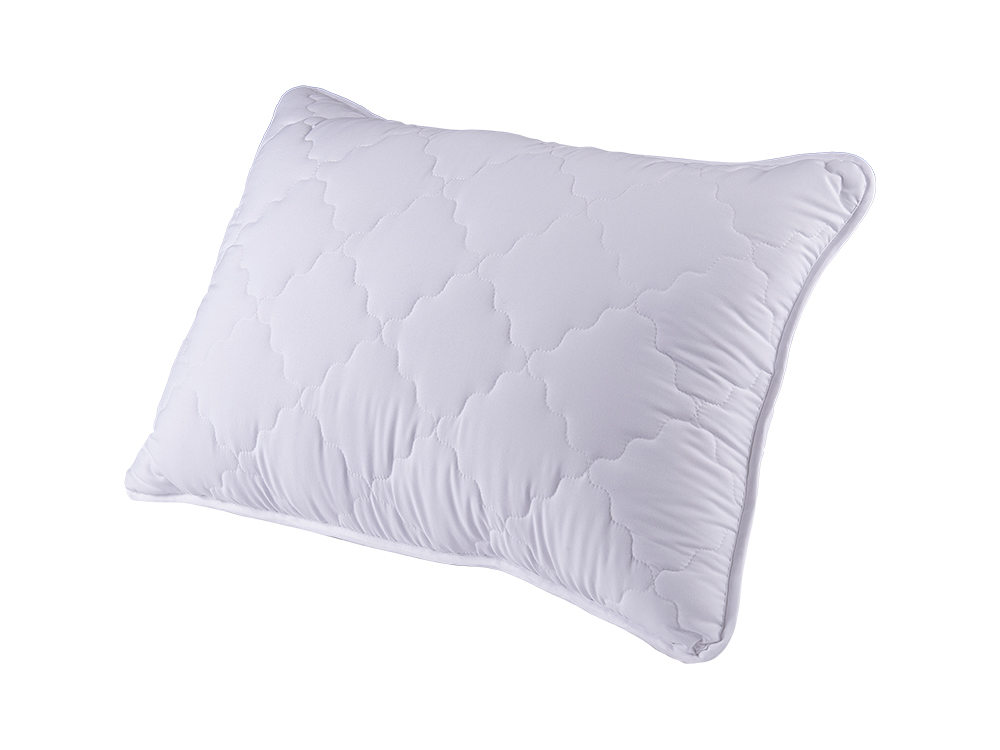
A quality mattress protector protects the foam and makes the bed easier to maintain. Our premium cotton mattress protector is one option for buyers who want a natural-feeling layer over foam or other mattress types.
 Premium Cotton Quilted Mattress ProtectorPure cotton protector with 7D filling and custom sizing, offering a natural-feeling protective layer for foam and other mattresses.View Product →
Cold Weather, Shipping, and Storage: A Manufacturer’s Checklist
For B2B buyers, cold-weather performance starts before the product reaches the customer. Foam can arrive stiff after a winter shipment, and that is not automatically a defect. Let it acclimatize in a room-temperature space before inspecting it. If you unroll a compressed pillow in an unheated warehouse, it may look flat and hard for longer than expected.
- Allow twenty-four hours at room temperature before final quality checks on compressed foam.
- Keep winter shipping and storage conditions in mind when writing care labels.
- Train retail staff to explain the warm-up period instead of letting customers judge a cold pillow in seconds.
- Check humidity and ventilation in storage areas; damp conditions can affect foam and fabric.
- Specify the expected feel at the intended use temperature, not only at the factory’s room temperature.
When Cold Firmness Is Actually a Quality Issue
Normal cold firmness goes away as the foam warms. A quality problem does not. If a pillow or topper stays hard after thirty minutes in a comfortable room, or if it crumbles, develops a permanent dent, smells unusual, or has uneven density, investigate further. Old foam, water exposure, poor formulation, and improper storage can all reduce responsiveness. In those cases, the issue is not the weather; it is the product or how it has been handled.
This is why we treat temperature response as part of quality control, not an afterthought. A product should feel appropriate for its intended market, and buyers should know what to expect in winter and summer.
Frequently Asked Questions
Does memory foam freeze in a cold room?
In a normal home, it usually does not freeze. It becomes firmer and slower to respond. At very low temperatures it can become extremely rigid, but that is not a normal sleeping environment. Let it warm gradually at room temperature.
Will a memory foam mattress stay hard after winter?
Usually no. As the room warms, the foam softens and returns to its normal behavior. If it remains hard in a warm room, the foam may be damaged or poorly formulated.
Is a harder memory foam pillow better for neck support in winter?
Firmness and support are not the same thing. A pillow that feels hard can create pressure points, while a softer pillow may not hold the neck well. Choose based on loft, sleep position, and the pillow’s intended feel after warm-up.
Can I use a heated blanket with memory foam?
Follow the mattress and blanket manufacturer’s instructions. Mild warmth can help, but direct high heat is not recommended. Never place foam against a hot radiator or heater.
Final Thoughts
So, does memory foam get hard when cold? Yes, it often does, and that is normal for a temperature-sensitive material. It is not a sign that the foam has failed. Give it warmth, time, and sensible bedding, and it will usually soften into the familiar contouring feel. For buyers, the key is to specify the right foam for the climate and to set realistic expectations. If you are planning a memory foam pillow or bedding program and want help matching the product to your market, contact our team; we are glad to share what we have learned on the factory floor.

 +86-573-88798028
