



 Français
 Español
 Deutsch
Content
The right comforter comes down to four core decisions: fill material, warmth level (fill power or weight), size, and cover fabric. Get these four right, and you'll have a comforter that keeps you comfortable year-round without overheating or feeling too thin. This guide walks you through each factor with practical benchmarks so you can shop with confidence.
Understand Fill Materials First
The fill is the most important part of any comforter. It determines warmth, weight, breathability, and how long the comforter will last. There are two broad categories: natural fills and synthetic fills.
Down and Down Alternative
Goose or duck down is the gold standard for lightweight warmth. A quality down comforter with a fill power of 600–800+ offers excellent insulation without added bulk. Fill power measures how much space one ounce of down occupies — the higher the number, the fluffier and more insulating it is.
- 600–650 fill power: Good everyday warmth, budget-friendly
- 700–750 fill power: Mid-range, excellent warmth-to-weight ratio
- 800+ fill power: Premium, ultra-light, best for cold sleepers
Down alternative (typically polyester microfiber) is hypoallergenic, machine washable, and significantly cheaper — usually $30–$100 versus $150–$500+ for quality down. The trade-off is that synthetics tend to clump over time and don't breathe as well.
Wool and Cotton Fills
Wool comforters are naturally temperature-regulating and moisture-wicking, making them ideal for hot sleepers or those who sweat at night. Cotton fills are breathable and easy to care for, though they tend to be heavier and less fluffy. Both are excellent choices for allergy sufferers.
Match Warmth Level to Your Sleep Style
Warmth ratings vary by brand, but most comforters fall into three general categories. Consider your bedroom temperature, whether you sleep hot or cold, and whether you use a top sheet or duvet cover.
| Warmth Level | Best For | Room Temperature |
|---|---|---|
| Lightweight / Summer | Hot sleepers, warm climates | 70°F+ (21°C+) |
| Medium / All-Season | Average sleepers, year-round use | 60–70°F (15–21°C) |
| Heavyweight / Winter | Cold sleepers, cold climates | Below 60°F (15°C) |
If you share a bed with a partner who has different temperature preferences, consider buying two twin comforters instead of one queen or king — a common solution in Scandinavian households known as the "Scandinavian sleep method."
Get the Size Right
Comforter sizes don't always match mattress sizes exactly, and that's intentional — you need overhang for proper coverage. Here's what to expect:
- Twin: Typically 64" × 86" — fits a twin mattress with modest drape
- Full/Queen: Usually 86" × 86" to 90" × 90" — the most versatile size
- King: Around 102" × 86" — needed for king beds, especially with thick mattresses
If your mattress is 12 inches or deeper, consider sizing up. A standard queen comforter on a thick queen mattress may not drape far enough on the sides, leaving you with cold gaps overnight.
Pay Attention to the Shell Fabric
The outer shell (also called the ticking) affects how the comforter feels against your skin and how well it holds the fill in place. Look for these qualities:
- Thread count: For down comforters, a shell with a thread count of 300–400 prevents feathers from poking through while remaining breathable.
- Cotton percale: Crisp, cool, and durable — great for warm sleepers.
- Sateen: Silky and smooth, slightly warmer than percale.
- Microfiber: Soft and budget-friendly, but less breathable than cotton.
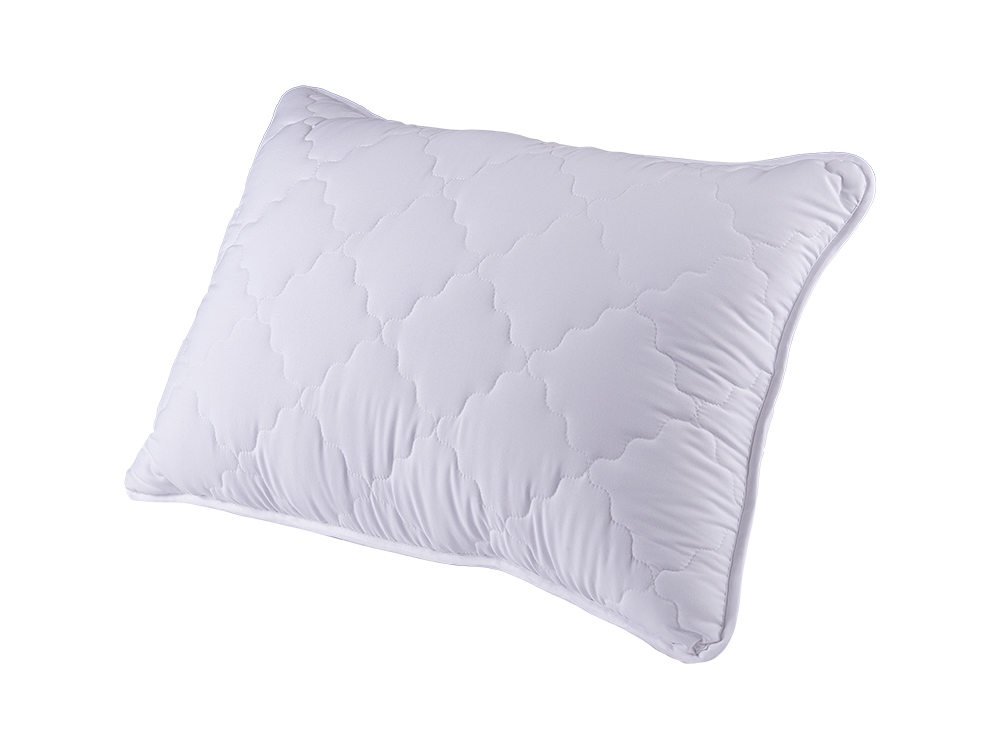
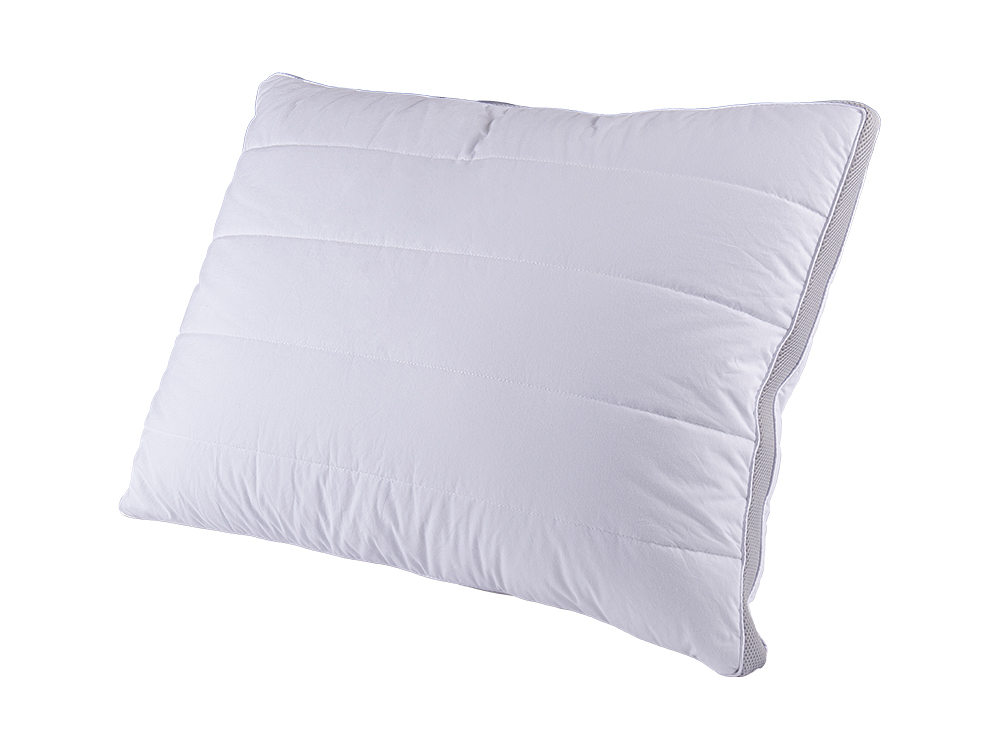
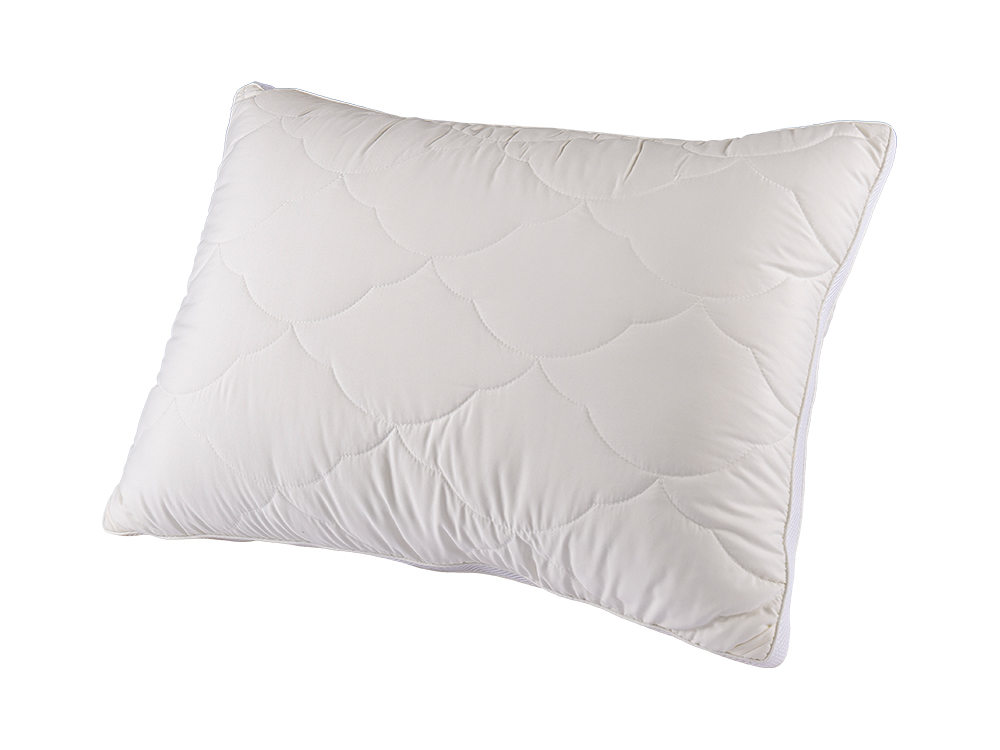
Also check the stitching pattern. Baffle-box construction — where fabric walls separate the fill into 3D squares — keeps down evenly distributed and prevents cold spots. Box-stitch (flat stitching) is less expensive but allows fill to shift over time.
Consider Care and Durability
A comforter is a long-term investment. A well-maintained down comforter can last 10–15 years, while synthetic fills typically degrade noticeably within 3–5 years. Before buying, check the care label:
- Machine-washable comforters are more practical for everyday use.
- Down comforters often require a large-capacity washer (at least 3.5 cu ft) or professional dry cleaning.
- Using a duvet cover protects your comforter and dramatically reduces how often it needs washing.
- Always dry on low heat with dryer balls to restore loft after washing.
If convenience matters most, a high-quality down alternative with a machine-washable shell may be the more practical choice even if it requires replacement sooner.
Quick Decision Guide: Which Comforter Type Is Right for You?
Use this summary to narrow your choice based on your top priorities:
| Your Priority | Best Choice |
|---|---|
| Lightest weight with maximum warmth | Down (800+ fill power) |
| Allergies or vegan preference | Down alternative or cotton fill |
| Night sweats or hot sleeping | Wool or lightweight cotton |
| Budget under $80 | Microfiber down alternative |
| Long-term investment (10+ years) | Goose down with baffle-box construction |
| Easy home laundering | Down alternative or washable wool |
There's no single best comforter for everyone — but once you know your fill preference, warmth need, and size, the decision becomes straightforward. Start with fill material, verify the warmth rating, confirm the size with your mattress depth in mind, and check the care instructions before purchasing. Those four steps will get you to the right choice faster than any brand name alone.

 +86-573-88798028