



 Français
 Español
 Deutsch
Content
- 1 Mattress protector material considering: what “material” really includes
- 2 Top fabric options: how cotton, polyester, and blends behave in real use
- 3 Filling and GSM: the easiest spec lever to match seasons, comfort, and price
- 4 Waterproof and breathable layers: how to specify protection without sacrificing comfort
- 5 Skirt and fit materials: why a 90gsm stretch knit can outperform “thicker” options
- 6 Durability in washing: how material choices show up after 10, 30, and 50 cycles
- 7 Safety and sustainability: certifications and material transparency that reduce buyer risk
- 8 Material selection by customer type: retail, hotel, healthcare, and e-commerce
- 9 A supplier-side checklist: questions that prevent costly mistakes
Mattress protector material considering: what “material” really includes
When customers start “mattress protector material considering,” many only compare the top fabric (cotton vs polyester). In manufacturing, the performance comes from the full material system: the top fabric (comfort + moisture handling), optional filling/loft (cushioning + warmth), the backing layer (structure or waterproof barrier), and the skirt/fit components (stretch, elastic recovery, durability in laundering).
For buyers sourcing for retail, hospitality, or healthcare, a practical approach is to map materials to your main risk: spills/incontinence, perspiration/humidity, allergy control, or abrasion from frequent washing. If you want to review typical constructions we produce (cotton, polyester, and blended options), our mattress protector range is a useful reference for spec formats and build types.
A quick decision rule
- If comfort and skin feel drive the purchase, prioritize the top fabric (fiber type + weave/knit + finishing).
- If longevity and wash frequency drive the purchase, prioritize GSM, stitching, and pilling resistance.
- If spill protection is non-negotiable, specify a waterproof barrier and test targets (not just “waterproof” claims).
Top fabric options: how cotton, polyester, and blends behave in real use
Top fabric selection determines the first impression (hand feel, noise, heat retention) and the day-to-day experience (sweat absorption, drying speed, snagging, and pilling). Below are the most common categories we see in bulk purchasing decisions, with practical implications for buyers.
Cotton and cotton jacquard (comfort-first)
Cotton is typically chosen for softness and breathability. When upgraded to jacquard, you also get a more premium visual texture and pattern definition. For example, our cotton jacquard fabric mattress protector uses cotton jacquard on the front, paired with a structured back fabric and a stretch skirt for fit.
- Best for: premium retail lines, sensitive-skin customers, “quiet” sleep feel expectations.
- Watch-outs: pure cotton can hold moisture longer than synthetics; finishing quality matters for shrinkage and colorfastness.
Brushed polyester and satin-stripe polyester (durability + easy care)
Polyester constructions are often selected for wash resilience and cost control. Brushed finishes can feel warmer and softer, while satin-stripe weaves target a cleaner hotel look. As a reference point, we build thin polyester protectors with 90gsm top fabrics for easy home laundering, and we also produce thicker winter-oriented builds with higher filling weights.
- Best for: hospitality, high-turnover rooms, budget-sensitive programs, frequent washing.
- Watch-outs: lower-grade yarns can pill; brushed surfaces can trap lint if finishing is not controlled.
Poly-cotton blends (balanced performance)
Blends are a practical compromise when you need some cotton feel but want the faster drying and stability of polyester. A common program spec we supply is 35% cotton / 65% polyester for the shell fabric, paired with moderate loft to keep the protector easy to wash and quick to re-make in commercial operations.
- Best for: spring/summer product positioning, mid-tier retail, serviced apartments.
- Watch-outs: the “feel” varies widely by weave/knit; always request a hand-feel sample and wash test before locking the spec.
Filling and GSM: the easiest spec lever to match seasons, comfort, and price
Buyers often underestimate how strongly filling weight (GSM) changes customer satisfaction. A “protector” can be purely protective (thin, low loft) or become a comfort layer (thicker, quilted, insulating). In practice, GSM influences perceived quality, compressibility for shipping, drying time, and the product’s role in the bedding system.
What GSM ranges typically signal
- 200gsm: thin-to-medium quilted builds, easier to launder, faster drying, good for frequent turnover.
- 400gsm: noticeable cushioning, higher perceived value, still manageable in most laundries.
- 600gsm+: comfort-forward, warmer, more “topper-like”; typically used in premium positioning or colder climates.
- 800gsm: heavy loft for winter and plush feel; requires disciplined wash/dry parameters to maintain shape.
| Build type (example) | Top fabric | Back / skirt | Filling (GSM) | Practical positioning |
|---|---|---|---|---|
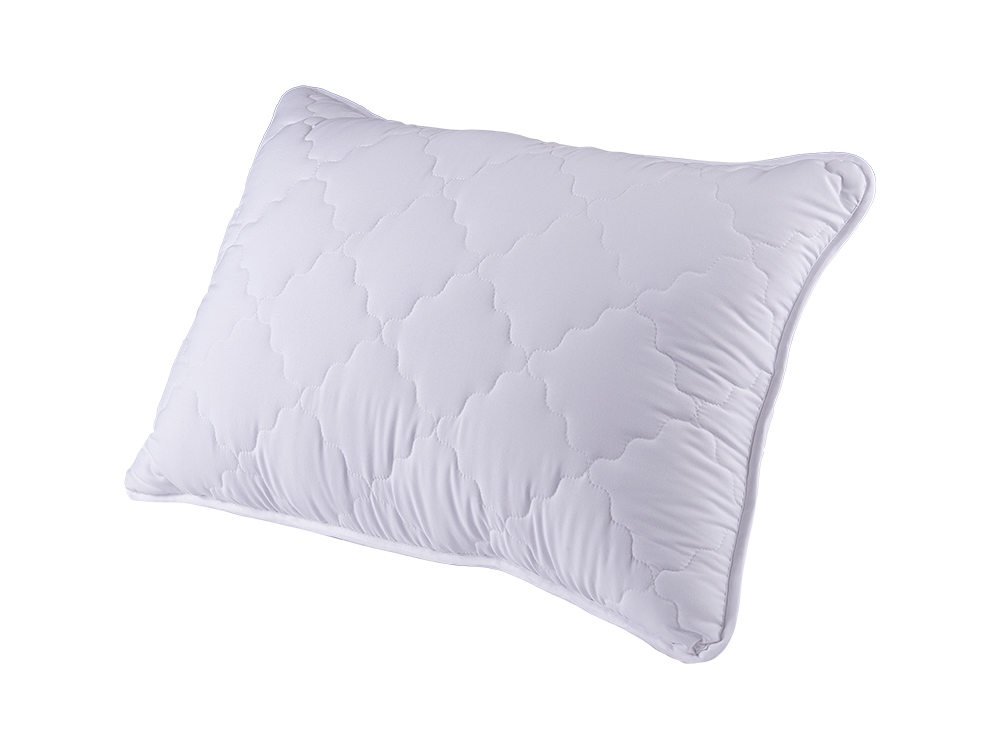
| Premium cotton quilted protector | 99.99% pure cotton | Quilted craft; raised edge available | 600gsm (7D cotton) | Comfort-first, premium programs |
| Cotton jacquard protector | Cotton jacquard (front) | 80gsm polyester back; 90gsm knit stretch skirt | 400gsm polyester | High-end look, balanced loft |
| Poly-cotton quilted protector | 35% cotton / 65% polyester | Classic quilted shell | 200gsm (6D polyester) | Easy care, spring/summer |
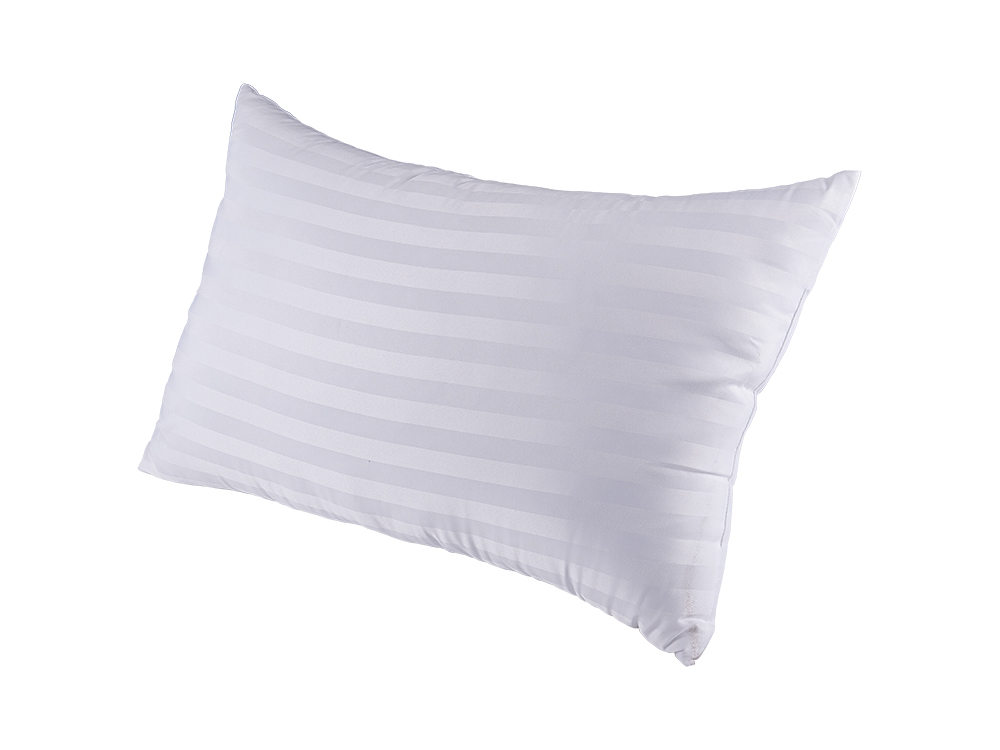
| Thin satin-stripe polyester protector | 90gsm polyester satin stripe | 90gsm polyester stretch skirt | 200gsm polyester | Hotel-friendly, easy washing |
| Extra-thick winter polyester protector | 90gsm polyester brushed | 90gsm polyester stretch skirt | 800gsm polyester ballfibre | Cold weather, plush feel |
If you are sourcing a comfort-forward cotton build, our premium cotton mattress protector is a good example of how a high-cotton surface and 600gsm filling shift a protector into a “sleep-enhancing” layer rather than a purely functional cover.
Waterproof and breathable layers: how to specify protection without sacrificing comfort
If your end-use includes spills, incontinence, or strict hygiene policies, the backing layer becomes a technical requirement—not a marketing line. The key is to define the material and the performance target, then confirm it with testing.
Common barrier options and trade-offs
- TPU/PU films: typically chosen for a softer hand and lower “crinkle” noise; better suited for consumer sleep comfort expectations.
- PVC/vinyl: can be very robust for liquid blocking but is often avoided in premium sleep products because of noise and stiffness.
- Laminated vs coated structures: lamination can improve uniformity; coatings can be cost-effective but must be controlled to avoid tackiness and pinholes.
The minimum “ask” for a serious waterproof spec sheet
- Barrier material type (e.g., TPU or PU) and structure (laminated/coated).
- Waterproof performance target (e.g., hydrostatic head) and test method agreed with your QC team.
- Breathability target (e.g., MVTR) if comfort complaints are a known risk in your channel.
- Wash durability expectations (number of cycles, temperature, tumble dry limits) and failure definition (delamination, pinholes, seam leakage).
Manufacturer tip: many “leak” issues are not film failures—they are seam, edge binding, or quilting needle-hole problems. If waterproofing is critical, align the sewing method and edge construction with the barrier design from the beginning.
Skirt and fit materials: why a 90gsm stretch knit can outperform “thicker” options
Fit is where product returns often start. A protector that shifts, pops corners, or loses elasticity after washing will be seen as “low quality” even if the top fabric is excellent. That is why the skirt material and elastic specification deserve the same attention as the top panel.
What to look for in skirt construction
- Stretch recovery: the skirt must return to shape after repeated wash/dry cycles, not just stretch once on a new mattress.
- Consistent GSM and knit density: for example, we commonly use 90gsm polyester knitted stretch fabric for skirts to balance fit and drying speed.
- Elastic design: continuous elastic and well-controlled stitching tension help reduce corner lift and minimize seam stress.
Also confirm pocket depth and shrinkage allowance. If your target mattress depth is 30–35cm, the skirt pattern and elastic tension should be engineered accordingly, rather than relying on “one size fits all.”
Durability in washing: how material choices show up after 10, 30, and 50 cycles
In both retail and hospitality, the real performance test is laundering. The same protector can look premium in a showroom and fail in the field if pilling, seam stress, or fill migration appears quickly. Material selection should be connected to your expected wash profile.
Practical failure modes tied to materials
- Pilling on low-twist polyester yarns: often increases with higher dryer heat and friction against rough linens.
- Shrinkage and skew in cotton-rich shells: controlled by pre-shrinking, finishing, and wash instructions aligned to the fabric.
- Fill clumping: more likely when drying is insufficient or quilting stitch density is too low for the chosen fill.
- Edge seam failure: common when elastic tension is high but reinforcement or stitching balance is not optimized.
Recommended buyer practice: validate with a simple wash trial (even 5–10 cycles) before committing to a large run. It is one of the lowest-cost ways to reduce post-launch complaints and returns.
Safety and sustainability: certifications and material transparency that reduce buyer risk
For modern programs, material selection is not only about performance; it is also about compliance, customer trust, and supply-chain risk. Especially for children’s productsVC/brands and hospitality groups, third-party certification and traceability can be decision-critical.
What to request from a supplier
- Factory management systems (e.g., ISO9001 for quality and ISO14001 for environmental management) to support consistency and traceability.
- Material safety certifications (e.g., OEKO-TEX programs) for chemical compliance expectations in key markets.
- If recycled fibers are used, chain-of-custody support (e.g., GRS) to back sustainability claims.
- Social compliance where required (e.g., BSCI) for brand programs and large tenders.
From a manufacturing perspective, these requirements are easier to meet when they are built into material sourcing and production documentation early—rather than added after a spec is finalized.
Material selection by customer type: retail, hotel, healthcare, and e-commerce
Different channels reward different material choices. The “best” mattress protector material is the one that reduces complaints and total cost in your channel, not the one with the most premium description.
Typical channel matching (practical guidance)
- Retail premium: cotton or cotton jacquard tops, moderate-to-high GSM quilting, focus on quiet feel and breathability.
- E-commerce value: poly-cotton blends or stable polyester knits, mid GSM, strong packaging efficiency and easy care messaging.
- Hospitality: durable polyester shells, controlled GSM for faster laundry throughput, reliable skirt elasticity and fit.
- Healthcare/elder care: if liquids are frequent, prioritize verified barrier performance and seam strategy, then optimize comfort within that constraint.
Key takeaway: choose the material stack based on the dominant operational reality (wash cycles, drying constraints, spill frequency), not only on fiber preference.
A supplier-side checklist: questions that prevent costly mistakes
Before you finalize a mattress protector program, these are the questions we recommend buyers use to avoid specification gaps. They are simple, but they consistently prevent late-stage rework and post-launch returns.
Specification questions to lock early
- What is the exact top fabric (fiber content + weave/knit + GSM), and how is it finished for shrinkage and pilling control?
- Is the product designed as a thin protector, a quilted comfort protector, or a topper-like layer (define target GSM and hand feel)?
- What skirt fabric and elastic construction will be used, and what mattress depth range is the pattern engineered to fit?
- If waterproofing is required: what barrier material, what test targets, and how is seam/edge leakage controlled?
- What is the wash and dry instruction set, and is it validated against your channel’s real laundering conditions?
Why manufacturing capability matters when materials get technical
Material systems perform best when the factory can control consistency across fabric sourcing, quilting, stitching balance, and finishing. As a bedding manufacturer established in 2002 with a facility footprint of 21,000 square meters and over 320 employees, we focus on stable production and documented specifications to support OEM/ODM programs across cotton, polyester, and blended protector lines. Typical lead times for production programs are listed as 35–45 days, with sizes and quilting patterns commonly customizable depending on your project requirements.
If you treat “material” as a system—top fabric, filling weight, backing strategy, and skirt engineering—you will make faster decisions, reduce returns, and deliver a better end-user experience at your target price point.

 +86-573-88798028