



 Français
 Español
 Deutsch
Content
- 1 Essential components of a bed and what each does
- 2 Sleep-surface elements: mattress, protector, and mattress topper
- 3 Sheets and covers: fitting, fabrics, and function
- 4 Pillows and pillow accessories: support, hygiene, and aesthetics
- 5 Decorative and functional extras
- 6 Maintenance and care: extend lifespan and hygiene
- 7 Quick reference table: standard mattress sizes and common bedding fits
- 8 Practical buying checklist before you shop
Essential components of a bed and what each does
A practical understanding of the parts of bedding helps you build a comfortable, long-lasting sleep setup. Bedding components divide into three broad groups: the sleep surface (mattress, topper, protector), the layers that touch your body (sheets, pillowcases), and the outer/visual layers (duvet, comforter, shams, throws). Each piece has a clear function — support, hygiene, thermal control, or aesthetics — and choosing the right item means matching size, thickness, material, and maintenance needs.
Sleep-surface elements: mattress, protector, and mattress topper
These parts form the foundation of comfort and durability. The mattress determines support and motion transfer; a protector preserves the mattress from spills, dust mites, and wear; a topper adjusts firmness or adds pressure relief without replacing the mattress.
Mattress
Mattresses vary by construction (innerspring, memory foam, latex, hybrid). When selecting, match firmness to your sleep position (side sleepers often prefer softer to medium; back and stomach sleepers usually benefit from medium to firm). Pay attention to depth (8"–15"+) and whether the mattress needs a specific foundation or adjustable base.
Mattress protector
Protectors come as fitted (like a fitted sheet), encasements (zippered full coverage), or pads. Material choices—cotton terry, polyester micro-knit, or waterproof membranes—affect breathability and noise. Use an encasement for allergy control and a fitted protector for liquid and stain protection.
Mattress topper
Toppers add a layer of comfort and are practical for modifying firmness without buying a new mattress. Common fill types include memory foam (pressure relief), latex (responsive and cooling), feather/down (soft and insulating), and wool (temperature regulation). Check thickness (typically 1"–4") and whether your existing fitted sheet can accommodate the added depth.
Sheets and covers: fitting, fabrics, and function
Sheets and covers are the interface between you and the bed. Their purpose extends beyond comfort: they regulate temperature, protect the mattress/topper, and affect hygiene and durability. Understanding pockets, thread count, and fabric types prevents common fit and comfort problems.
Fitted sheet
Fitted sheets have elastic edges and must match mattress width, length, and depth (pocket depth). Measure mattress thickness plus topper and choose deep- or extra-deep-pocket sheets when needed. Fabrics: cotton (breathable, softens with washes), percale (crisp), sateen (silky), bamboo (moisture-wicking), microfiber (affordable, durable).
Flat sheet / top sheet
A top sheet creates a washable barrier between you and the duvet/comforter and helps regulate temperature. Some people omit it in hot climates or when using duvet covers that are washed frequently; others prefer it for added hygiene. Choose a size that allows tucking or draping per your sleeping habits.
Duvet cover and comforter
A duvet is the warm insert (down, down alternative, wool), and the cover protects it while providing style. Pick tog or fill power to match seasonality (higher fill = warmer). Duvet covers should have internal ties or corner loops to keep the insert in place and a closure (buttons, zipper, or ties).
Pillows and pillow accessories: support, hygiene, and aesthetics
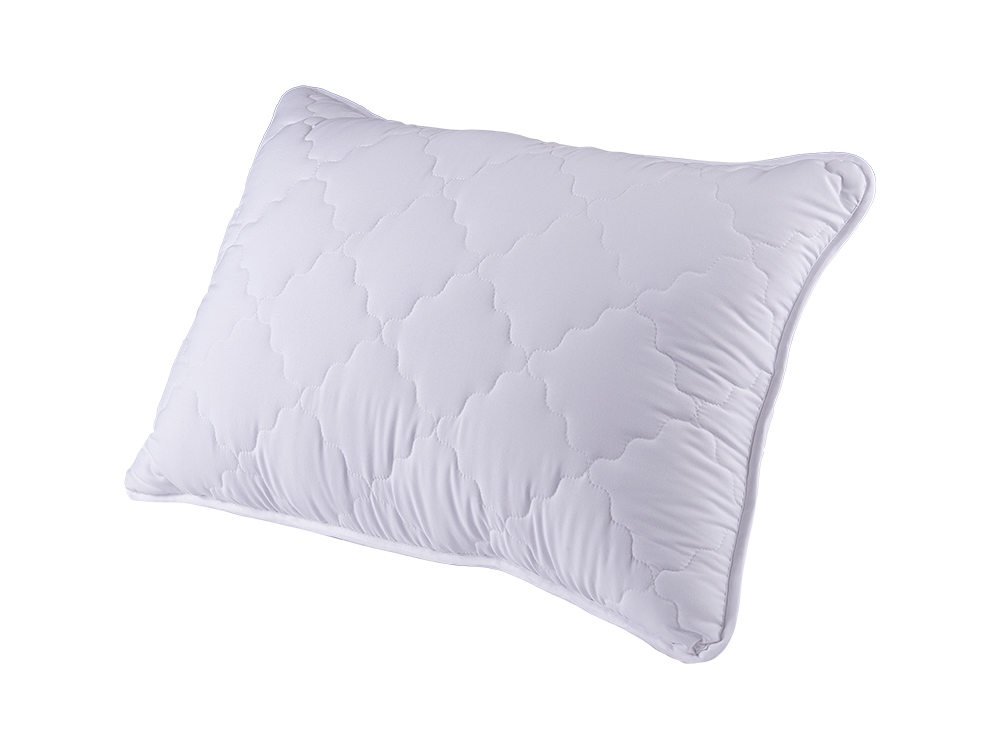
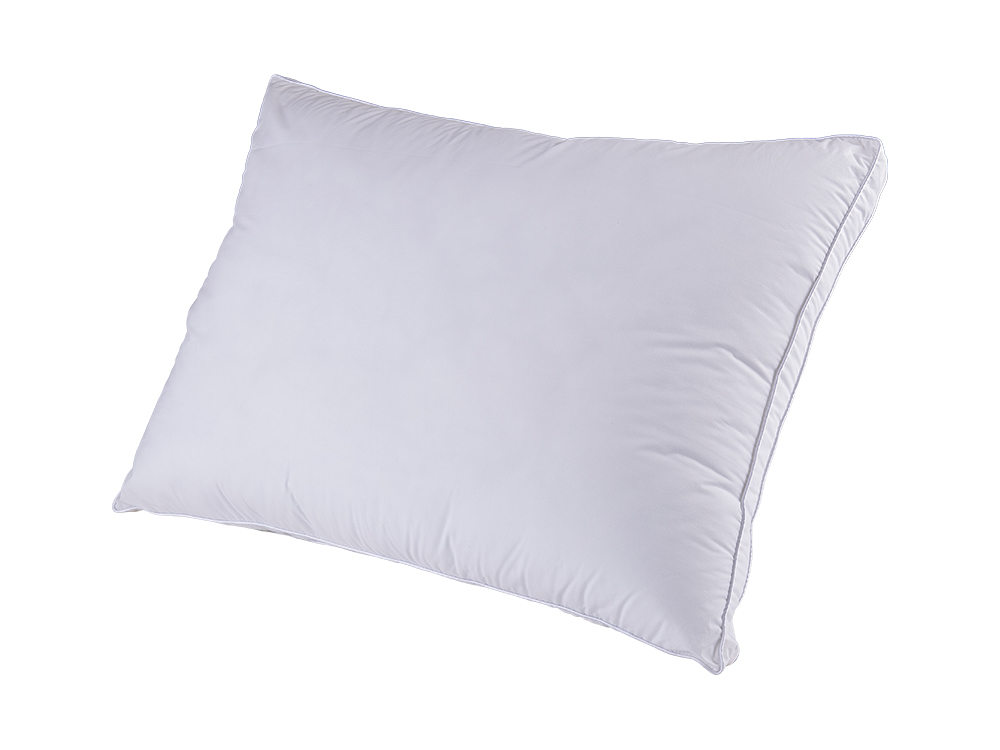
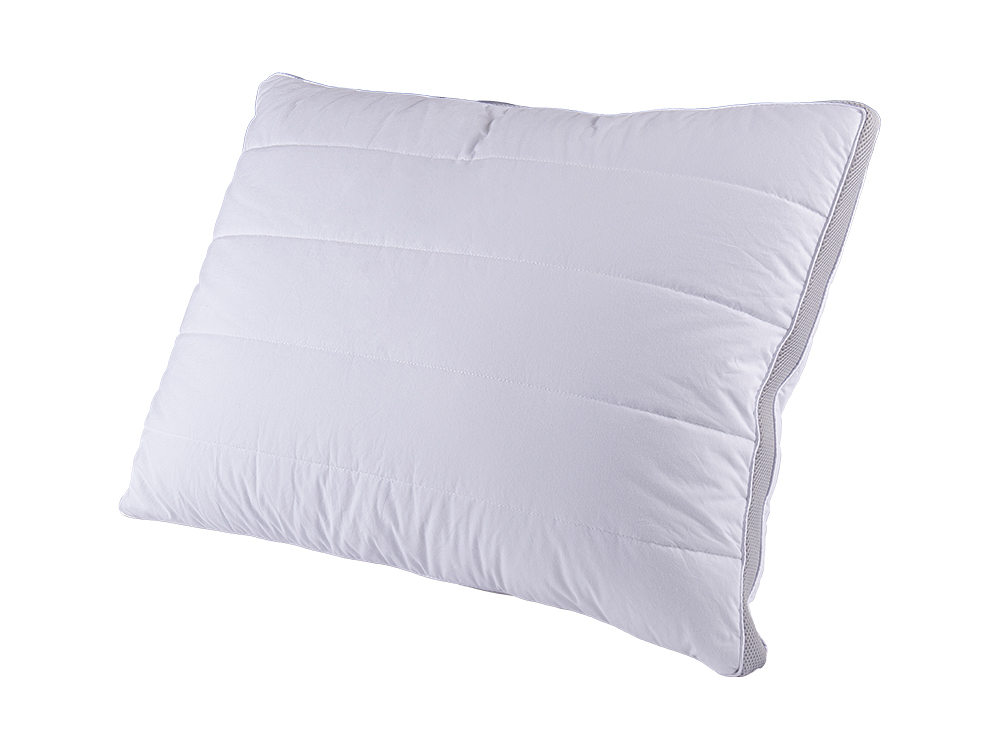
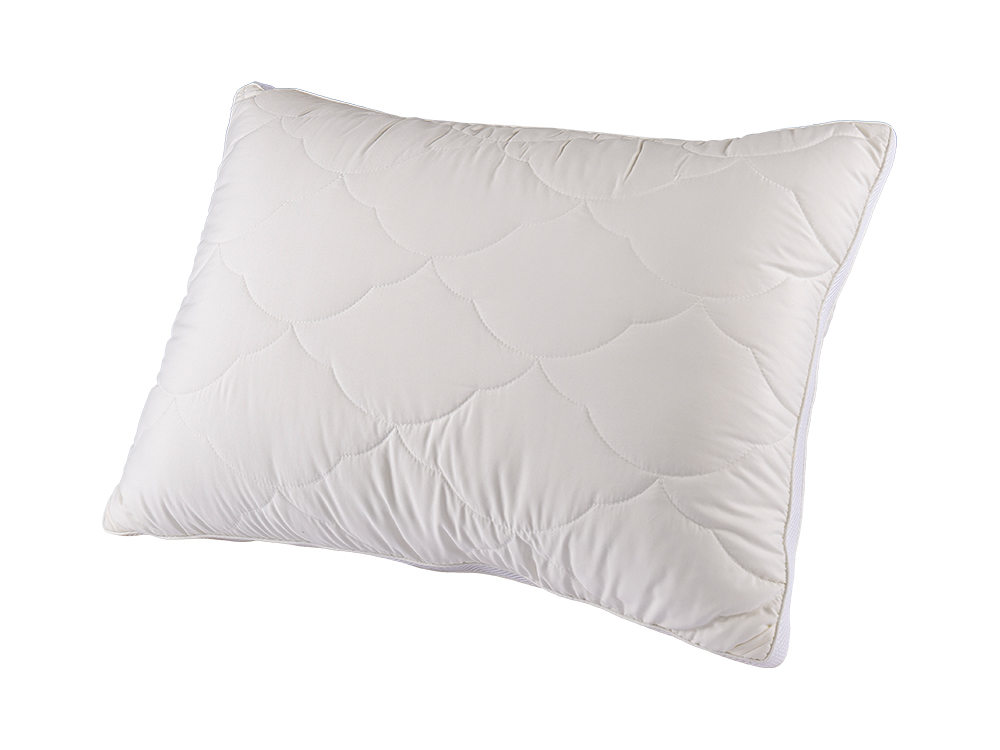
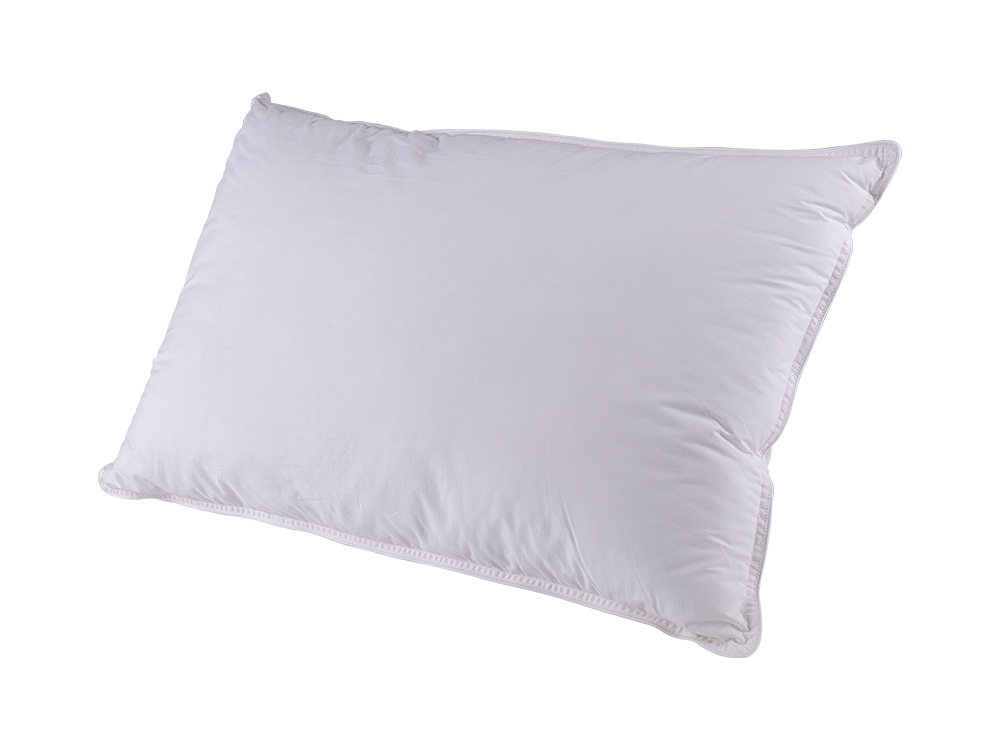
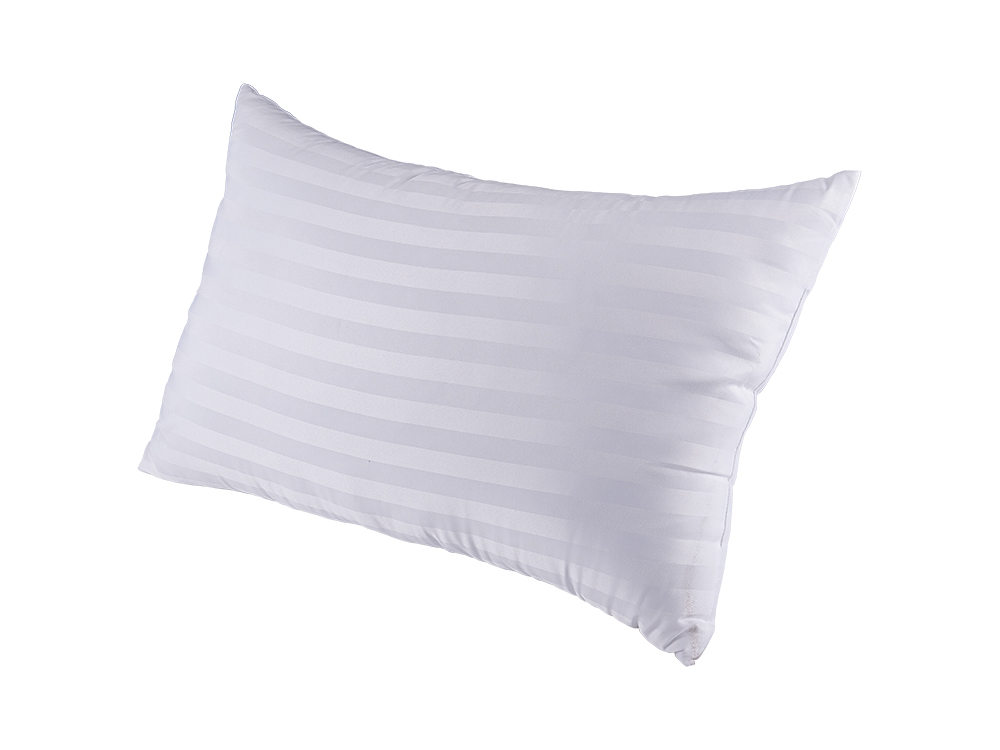
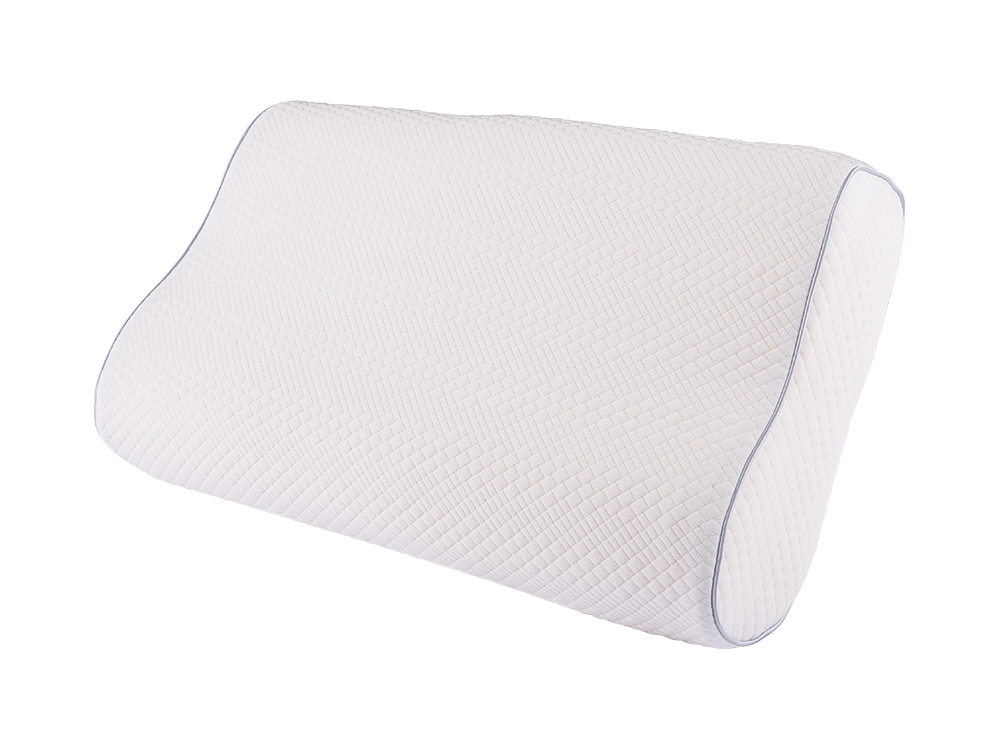
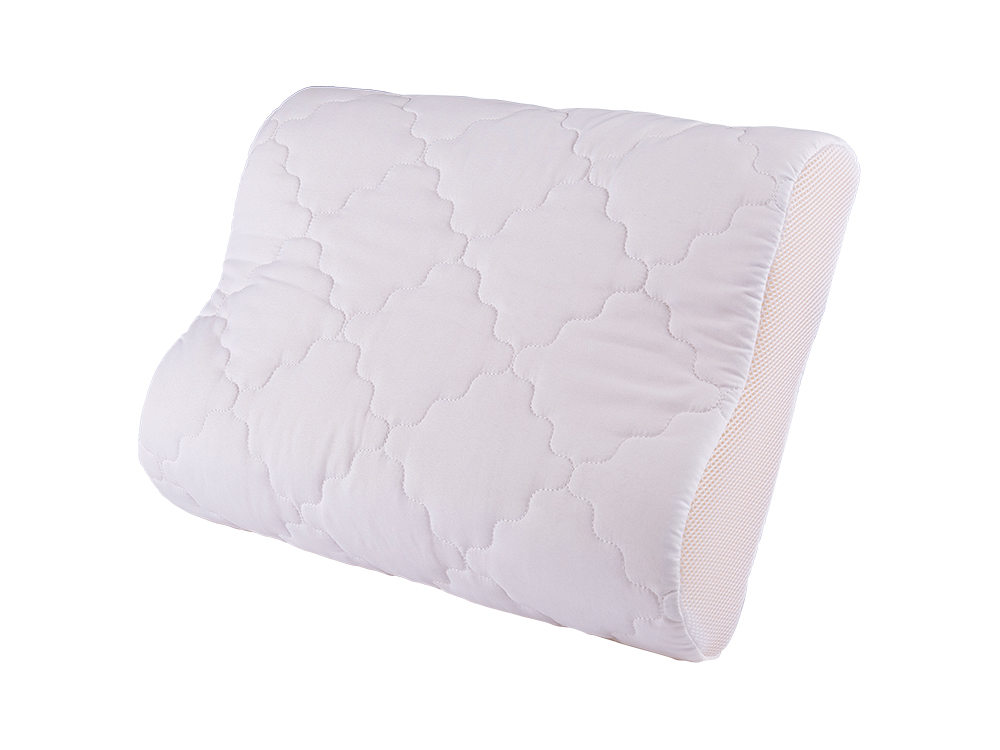
Pillows influence neck alignment and sleep quality. Beyond the pillow itself, cases and protectors extend lifespan and maintain hygiene.
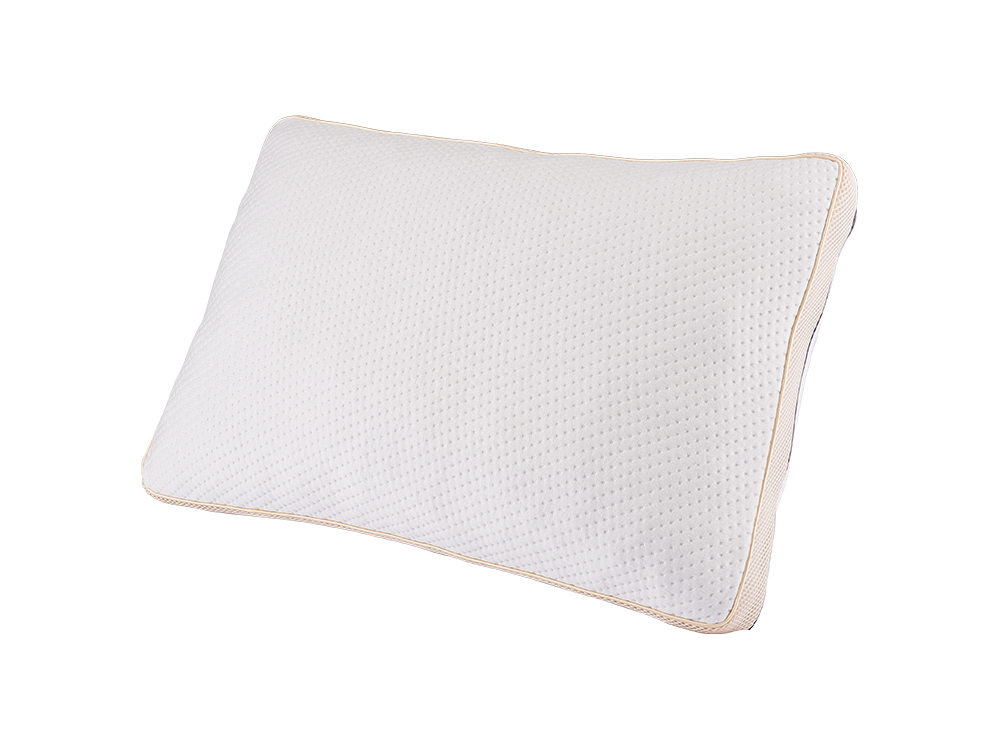
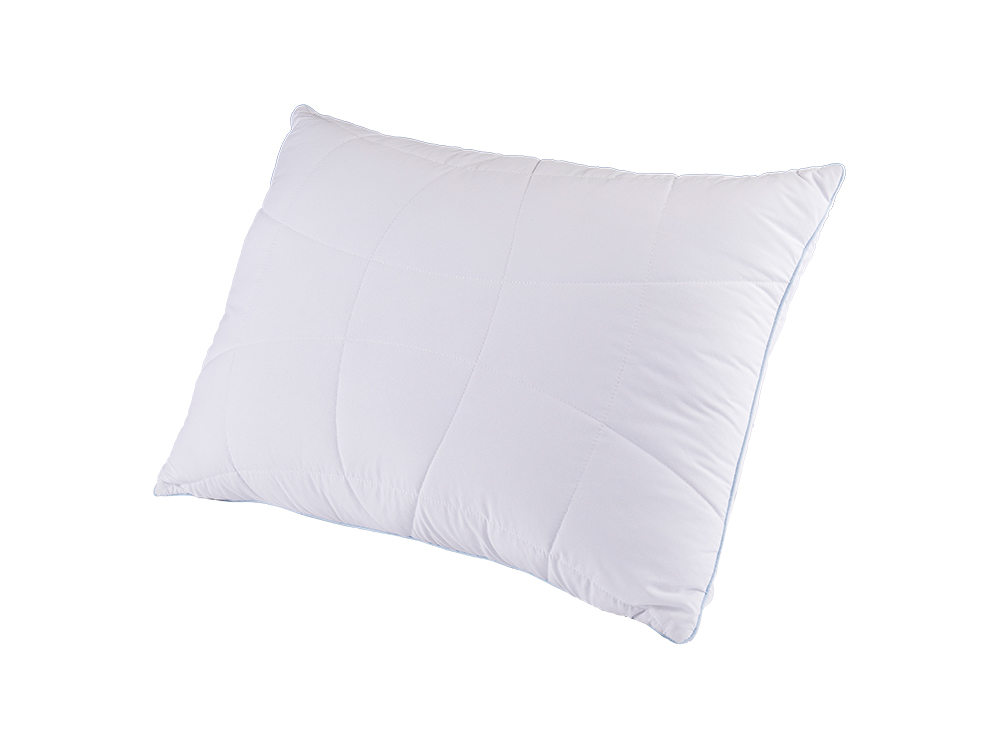
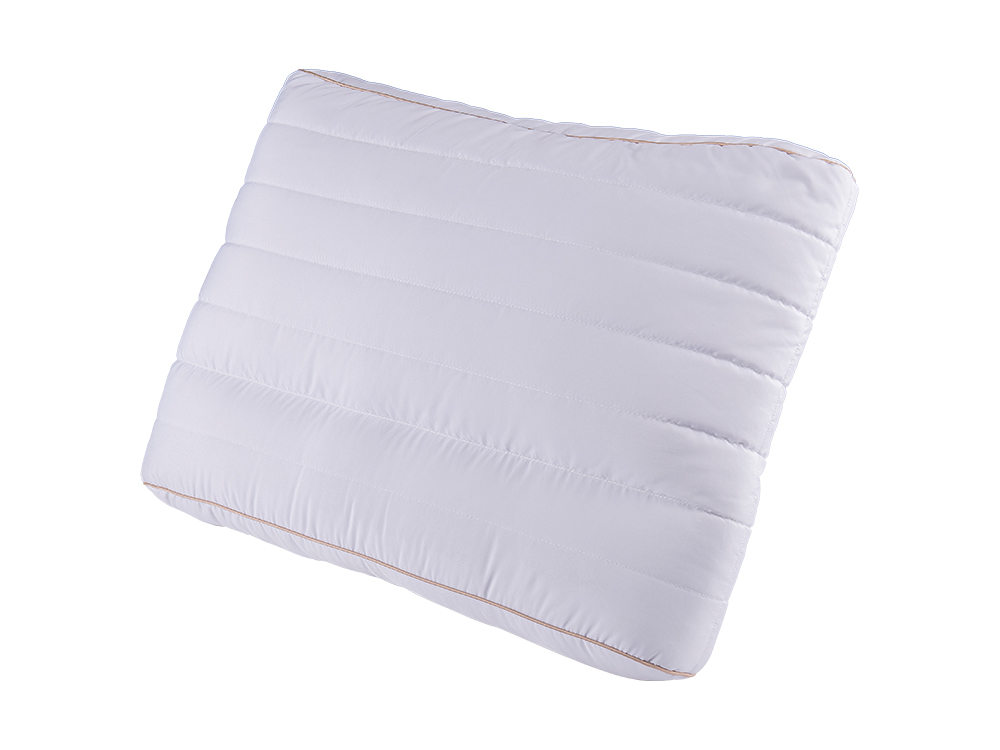
- Standard pillow: common dimensions and a variety of fills (memory foam, down, synthetic).
- Pillowcase: protects the pillow and should fit snugly; consider breathable materials for hot sleepers.
- Pillow protector: thin zippered barrier against oils and allergens while remaining breathable.
- Shams and decorative pillows: used for aesthetics, with removable covers for cleaning.
Decorative and functional extras
Extras complete the bed visually and functionally: bed skirts hide box springs, throws add seasonal layering, and bolsters/euro pillows offer back support. Choose removable, washable covers for anything that will contact skin regularly.
Bed skirt / dust ruffle
A bed skirt covers the gap between mattress and floor and prevents dust from collecting under the bed. Ensure the skirt height matches the distance from box spring top to floor.
Maintenance and care: extend lifespan and hygiene
Regular care preserves appearance, comfort, and safety. Washing frequency, temperature, and protective layering are key — and easy to implement.
- Wash fitted and flat sheets once weekly; pillowcases 1–2× weekly.
- Duvet covers every 1–2 months; comforter/duvet insert 3–6 months unless spills occur.
- Use mattress protectors to reduce cleaning and prevent stains; vacuum mattress surface every 1–3 months.
- Follow manufacturer care labels for toppers and specialty pillows; many foam items require spot cleaning, not machine washing.
Quick reference table: standard mattress sizes and common bedding fits
| Mattress Size | Dimensions (in) | Typical Fitted Sheet Pocket |
| Twin | 38 × 75 | 8"–12" (standard) |
| Full | 54 × 75 | 8"–14" |
| Queen | 60 × 80 | 10"–18" (deep options) |
| King | 76 × 80 | 10"–20"+ |
Practical buying checklist before you shop
- Measure mattress depth (including topper) to choose the correct fitted-sheet pocket depth.
- Check care labels for washing instructions—some toppers and pillows are spot-only.
- Decide on natural vs synthetic fills based on allergies, heat tolerance, and budget.
- Match closures and internal fasteners on duvet covers to your duvet insert for stability.
Understanding the parts of bedding and how they work together helps you create a bed that fits your body, your bedroom, and your cleaning routine. Prioritize fit (size and pocket depth), material (breathability and care), and protective layers (protectors and washable covers) to keep your sleep setup comfortable and hygienic for years.

 +86-573-88798028