



 Français
 Español
 Deutsch
Content
- 1 Understanding Bedding Materials and Why They Matter
- 2 Common Fabric Types for Sheets and Duvet Covers
- 3 Weaves and Finishes That Change How Bedding Feels
- 4 Filling Materials for Duvets and Comforters
- 5 Pillow Filling Materials and Their Sleep Effects
- 6 Comparing Bedding Materials at a Glance
- 7 How to Choose the Right Bedding Material for You
Understanding Bedding Materials and Why They Matter
Choosing the right bedding material is one of the most practical ways to improve sleep comfort, temperature control, and even long-term skin health. From cotton and linen to bamboo, silk, and synthetics, each fabric behaves differently in terms of breathability, moisture management, durability, and maintenance. Understanding these differences helps you match your sheets, duvet covers, and pillowcases to your climate, sleeping style, and budget, instead of choosing based only on thread count or marketing buzzwords.
Below, we will look at the most common types of bedding materials, their pros and cons, and how they perform in real-world use. We will also explore fillings for duvets and pillows, and give you practical tips on how to choose the best combination for your bed.
Common Fabric Types for Sheets and Duvet Covers
The fabric you choose for sheets and duvet covers determines how cool, crisp, silky, or cozy your bed feels. While fiber type (such as cotton or bamboo) matters, the weave and weight also play key roles in performance. Here are the main options you will encounter and how they compare in everyday use.
Cotton: The Versatile Standard
Cotton is the most common bedding material, and for good reason. It is naturally breathable, relatively durable, and easy to care for. Quality varies widely, depending on the cotton type and fabric construction. Long-staple cottons such as Egyptian or Pima feel smoother and resist pilling better than short-staple varieties. Cotton also absorbs moisture effectively, which helps regulate temperature for most sleepers.
- Pros: Soft, breathable, widely available, machine-washable, suitable for most climates, available at many price points.
- Cons: Can wrinkle easily, quality can be inconsistent, very cheap cotton may pill, high-end cotton can be expensive.
Linen: Breathable and Durable for Hot Sleepers
Linen is made from flax fibers and is known for its exceptional breathability and moisture-wicking ability. It feels cool to the touch and is especially comfortable in warm or humid climates. Linen tends to be thicker and more textured than cotton; it softens with use and washing but maintains a relaxed, slightly wrinkled look that many people find appealing. Its high durability means good linen sheets can last for years, sometimes decades.
- Pros: Excellent for hot sleepers, very breathable, strong and long-lasting, naturally textured aesthetic, often less prone to harboring odors.
- Cons: Feels rougher at first, can be expensive, wrinkles easily, heavier weight may not appeal to all sleepers.
Bamboo and Other Viscose/Rayon: Soft and Silky
Bamboo bedding is typically made from bamboo-derived viscose or rayon, which is a regenerated cellulose fiber. These fabrics are popular for their soft, smooth, and slightly silky feel. They often drape well and can be quite breathable, with good moisture absorption. However, performance and environmental impact depend heavily on manufacturing processes, which vary between brands.
- Pros: Very soft and smooth, good for sensitive skin, typically breathable, good moisture-wicking, luxurious feel at mid-range prices.
- Cons: Quality varies widely, some fabrics may pill, can require gentler washing, sustainability claims may be overstated without certifications.
Silk: Luxurious and Gentle on Skin and Hair
Silk bedding, especially pillowcases, is often chosen for its smooth, friction-reducing surface, which can be gentler on hair and skin. Genuine mulberry silk with an appropriate momme weight feels cool and luxurious, and can help reduce friction-related frizz or sleep lines. Silk also has natural temperature-regulating properties, though it is more delicate than cotton or linen and requires more careful care.
- Pros: Extremely smooth and soft, gentle on hair and skin, naturally temperature-regulating, lightweight and elegant.
- Cons: Expensive, more delicate, often requires handwashing or specific detergents, can be slippery on the bed.
Microfiber and Polyester: Budget-Friendly and Low-Maintenance
Microfiber and polyester bedding are synthetic options known for their affordability and easy care. Microfiber is made from very fine synthetic fibers, creating a soft, often brushed texture that can feel cozy. Polyester blends are resistant to wrinkles and shrinking, making them practical for low-maintenance households. However, synthetic fabrics tend to trap heat and absorb less moisture, which may be uncomfortable for hot sleepers.
- Pros: Affordable, widely available, wrinkle-resistant, quick-drying, generally durable and stain-resistant.
- Cons: Less breathable, can feel hot or sticky, may build up static, not ideal for people prone to night sweats.
Weaves and Finishes That Change How Bedding Feels
Even when the fiber content is the same, the weave and finishing of a fabric can transform its feel and performance. Two cotton sheets made from similar yarns can feel either crisp and cool or smooth and silky, depending on the way the threads are interlaced and processed. Understanding the main weaves helps you interpret product descriptions more accurately.
Percale: Crisp and Cool
Percale is a plain weave fabric, typically with a one-over-one-under pattern. It produces a matte finish and a cool, crisp feel that many people associate with hotel sheets. Percale tends to be breathable and a good choice for warm climates or hot sleepers. It may wrinkle more than other weaves, but softens with use and washing.
Sateen: Smooth and Slightly Lustrous
Sateen is woven with more threads exposed on the surface, often in a four-over-one-under pattern. This creates a smoother, silkier feel and a subtle sheen. Sateen sheets often feel warmer and heavier than percale, making them appealing in cooler climates. However, the exposed threads can be more prone to snagging or pilling if the yarn quality is lower.
Jersey and Flannel: Knit and Brushed Options
Jersey sheets are knitted rather than woven, similar to T-shirt fabric, which gives them a stretchy, cozy feel. Flannel is usually a cotton fabric that has been brushed to raise fibers on the surface, creating a soft, fuzzy texture that traps warmth. Both are popular in cooler seasons but can feel too warm for hot climates or warm sleepers.
Filling Materials for Duvets and Comforters
The outer fabric of a duvet or comforter is only half the story; the filling inside determines warmth, loft, and how the bedding drapes over the body. Different filling types suit different climates, budgets, and ethical preferences. Knowing the characteristics of each option helps you choose a duvet that feels comfortable across the seasons.
Down: Lightweight Warmth and Loft
Down filling is made from the fluffy clusters found beneath the feathers of ducks or geese. It is prized for offering high warmth with very little weight. Fill power, a key measure for down, indicates how much volume one ounce of down occupies; higher fill power generally means better insulation and loft. Ethically sourced and certified down options are increasingly available for consumers concerned about animal welfare.
- Pros: Excellent warmth-to-weight ratio, very compressible, luxurious feel, long-lasting if cared for properly.
- Cons: Can be expensive, may trigger allergies in some people, loses insulation when wet, requires careful washing, ethical concerns without certifications.
Feather and Down Blends
Feather and down blends mix soft down clusters with larger, flatter feathers. This reduces cost while maintaining some of the loft and warmth of pure down. These duvets are usually heavier and may feel more structured. Some sleepers notice the quills of feathers through the fabric, so a good-quality cover fabric and baffle construction are important.
Synthetic Fiberfill: Hypoallergenic and Easy-Care
Synthetic fiberfill, often made from polyester, is a popular alternative to down. It mimics some of down’s loft and warmth but is hypoallergenic and retains insulation even when damp. These duvets tend to be heavier and less breathable than down, but they are more affordable and easier to wash at home. Higher-end synthetic fills can offer improved drape and reduced clumping compared with budget options.
- Pros: Budget-friendly, suitable for allergy sufferers, easier machine washing, insulates when damp.
- Cons: Less breathable, can feel bulky, may flatten over time, not as compressible as down.
Wool and Cotton Fillings
Wool-filled duvets offer excellent temperature regulation and moisture management. Wool fibers can absorb and release moisture without feeling wet, which keeps the microclimate around your body more stable. Cotton-filled duvets and quilts tend to be flatter and less lofty but can provide a light, breathable layer for warm climates or layered bedding setups. Both wool and cotton natural fillings appeal to those seeking fibers derived from renewable resources.
Pillow Filling Materials and Their Sleep Effects
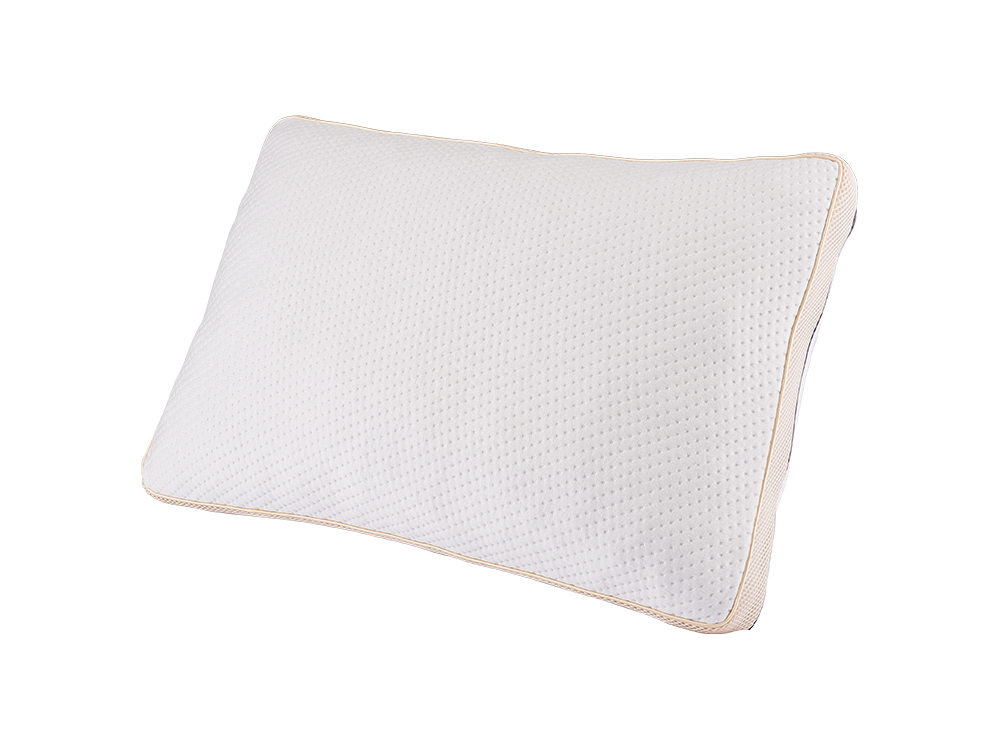
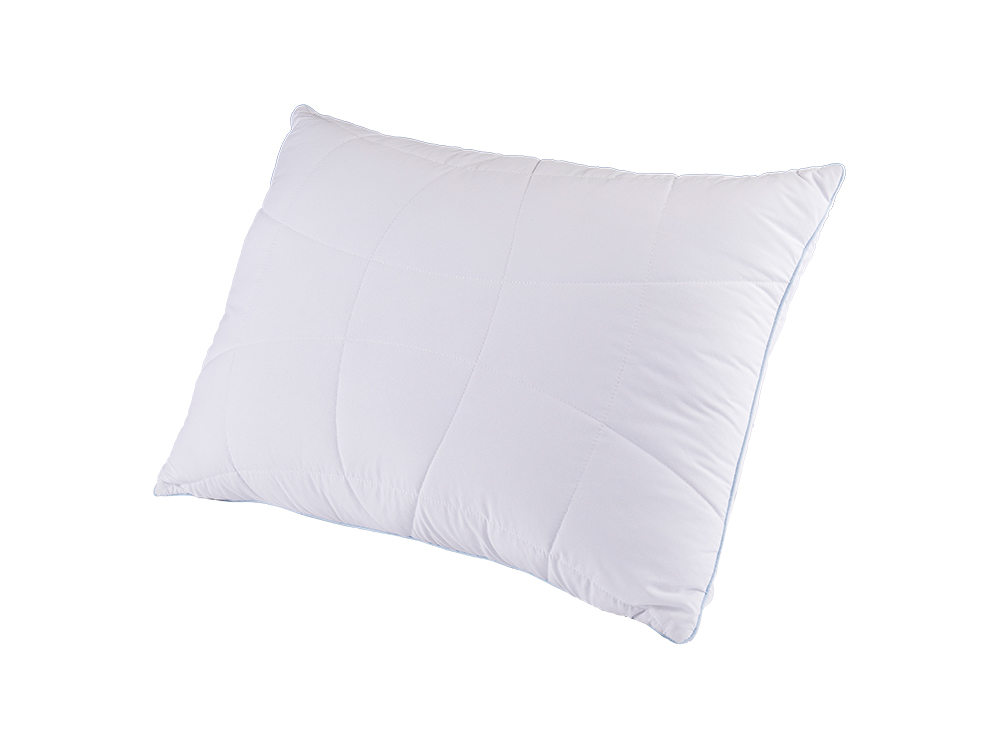
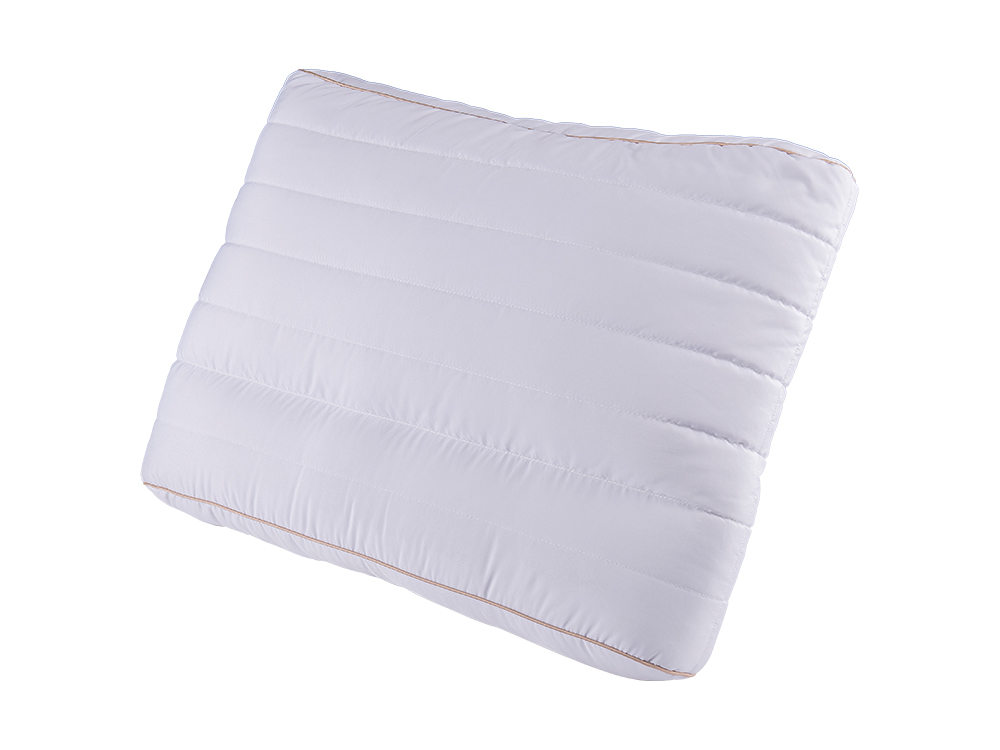
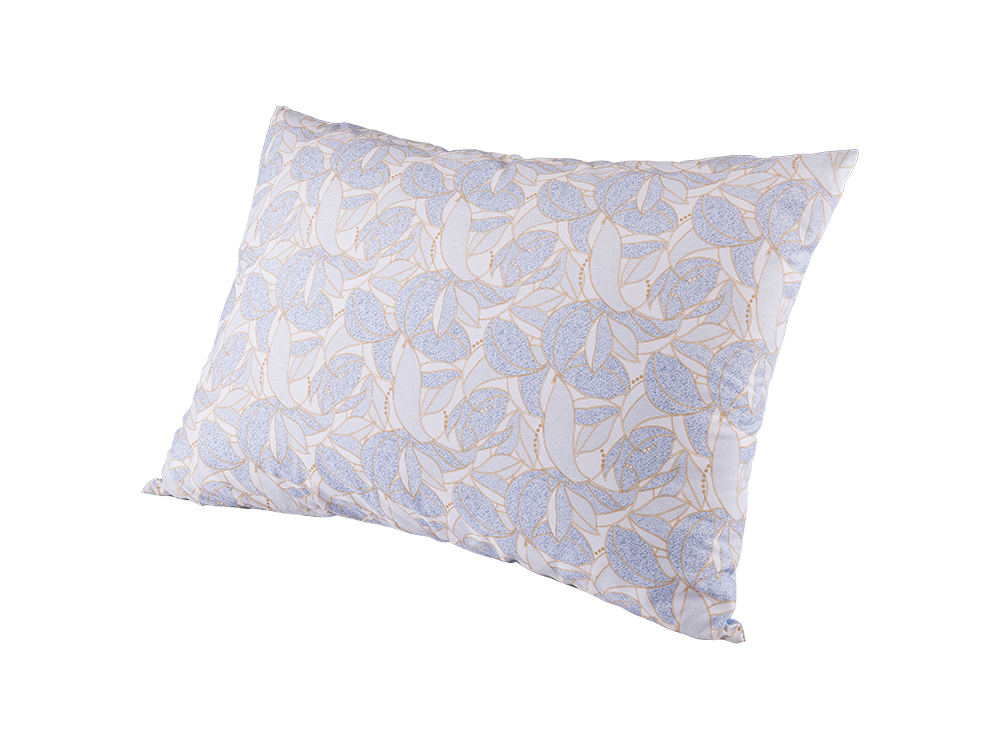
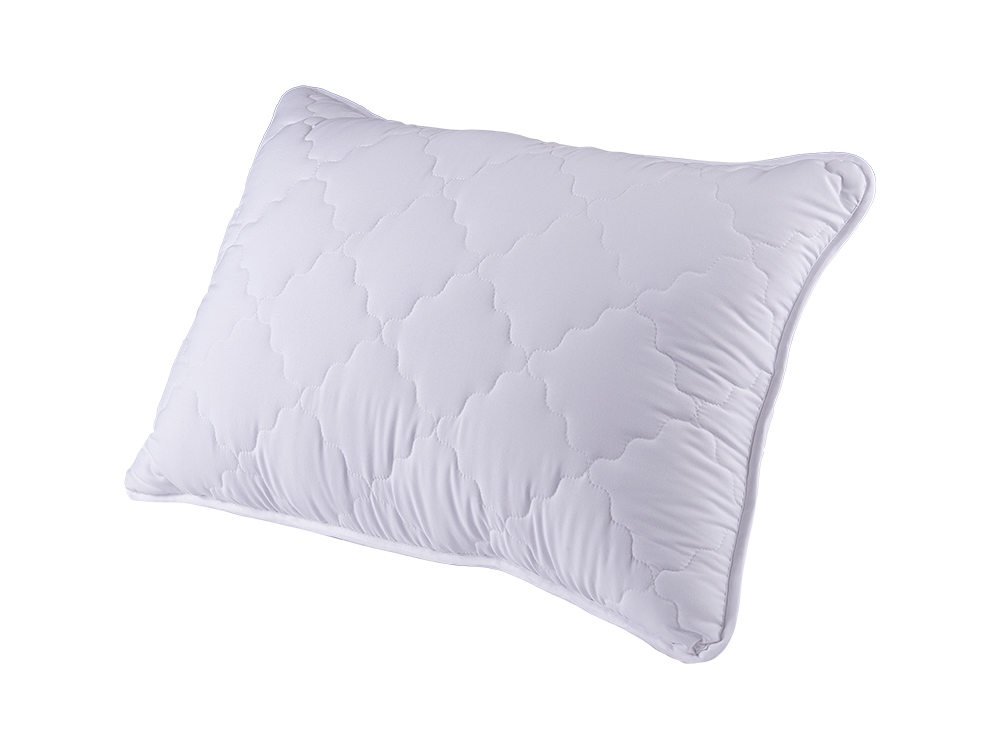
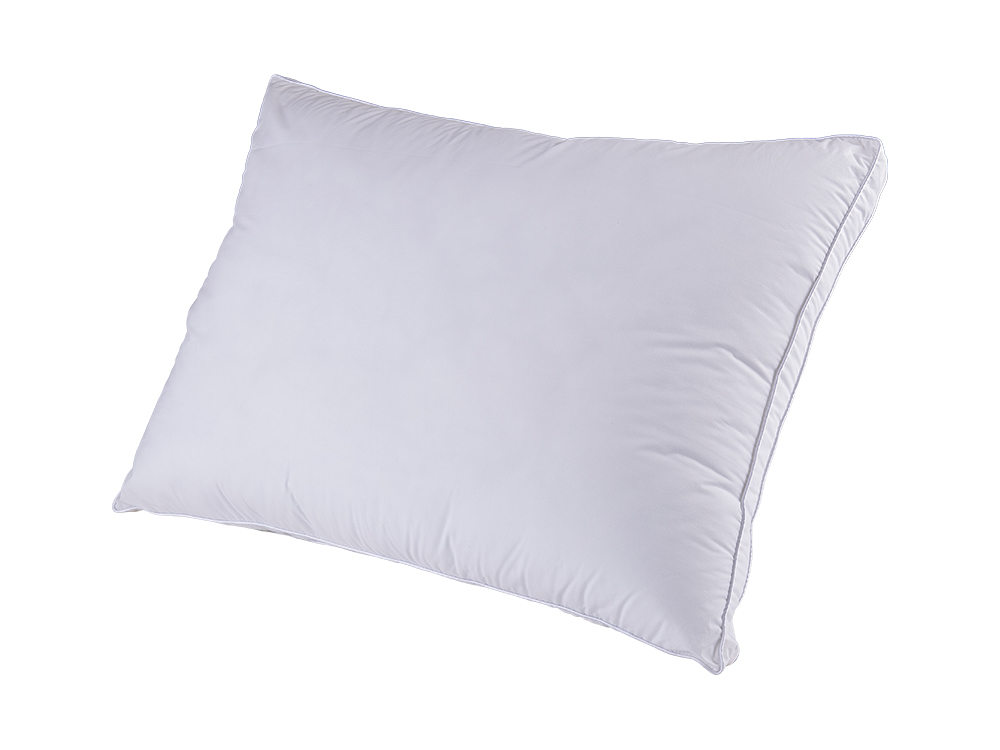
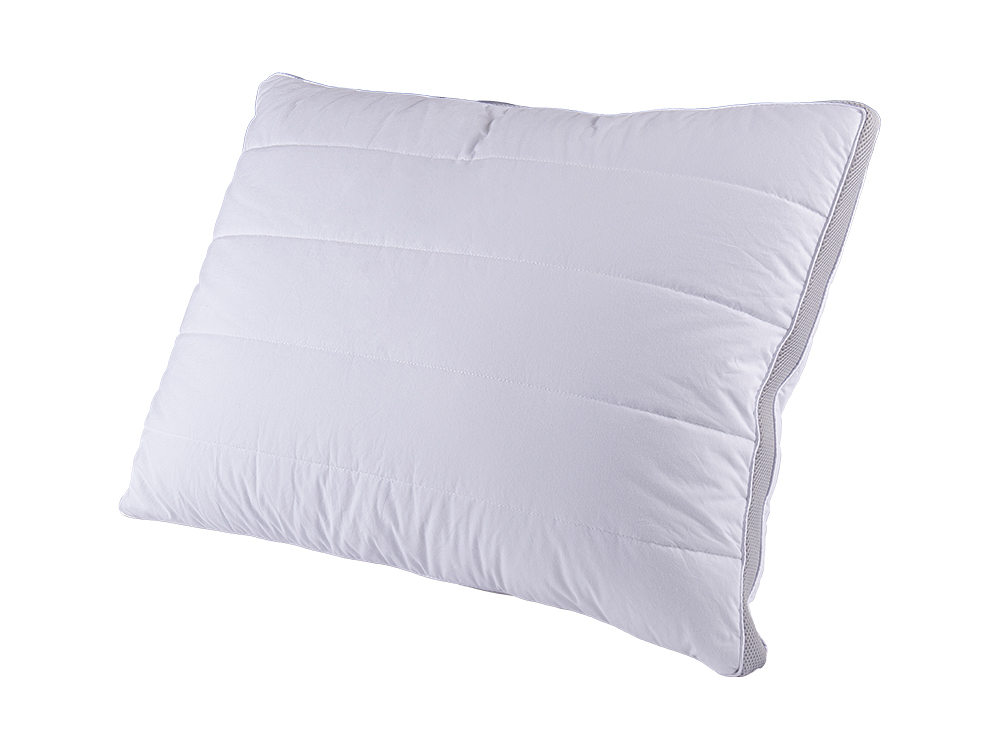
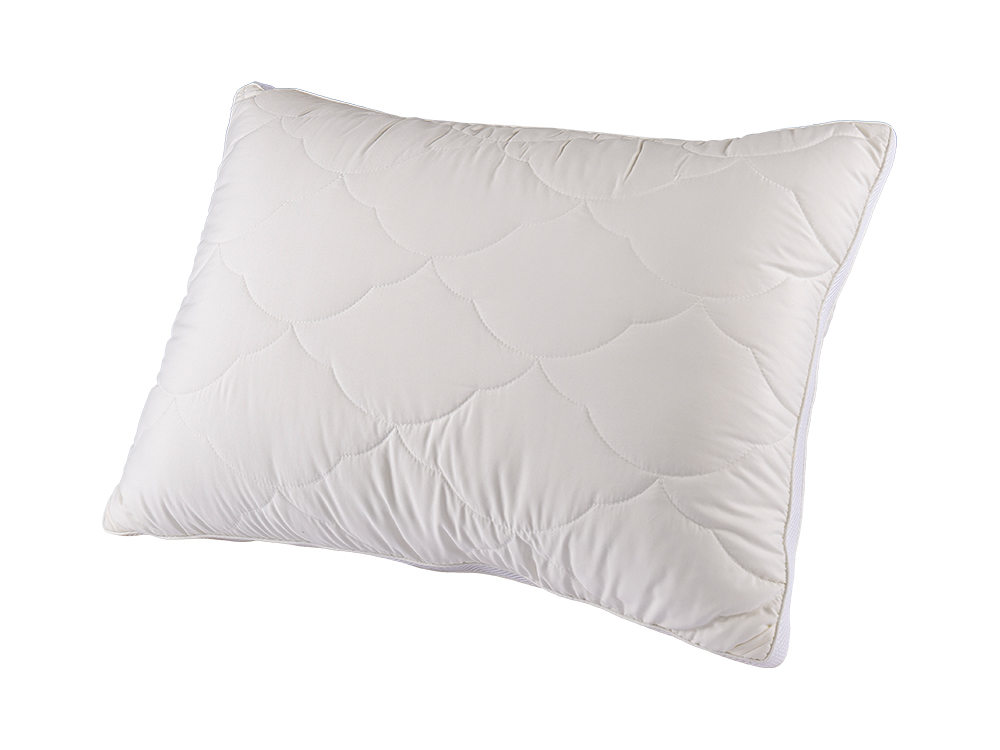
The material inside a pillow affects neck alignment, pressure relief, and how often you need to fluff or replace it. Matching pillow filling to your dominant sleep position and preferences can significantly reduce morning stiffness or headaches. Here are the main materials you will encounter and what they offer.
Down and Feather Pillows
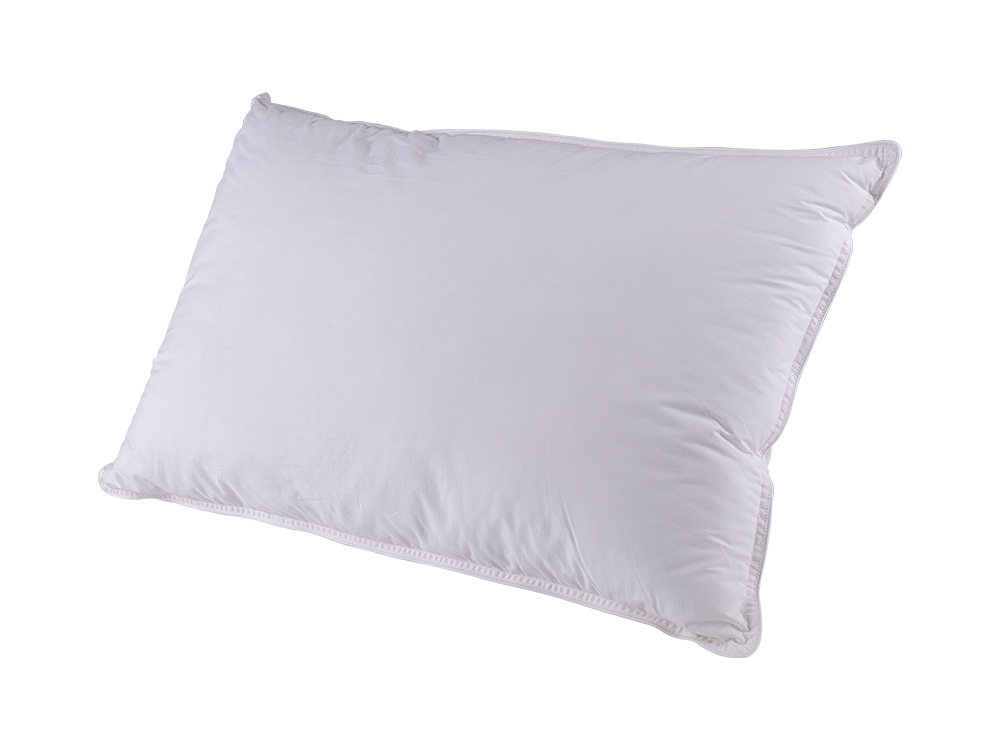
Down and feather pillows feel soft, moldable, and luxurious. They conform easily when you move and can be fluffed back into shape. However, they may not provide sufficient support for some side sleepers and can compress over time. As with duvets, look for certified down if animal welfare is a priority, and consider down-proof covers to reduce feather escape.
Memory Foam and Latex Pillows
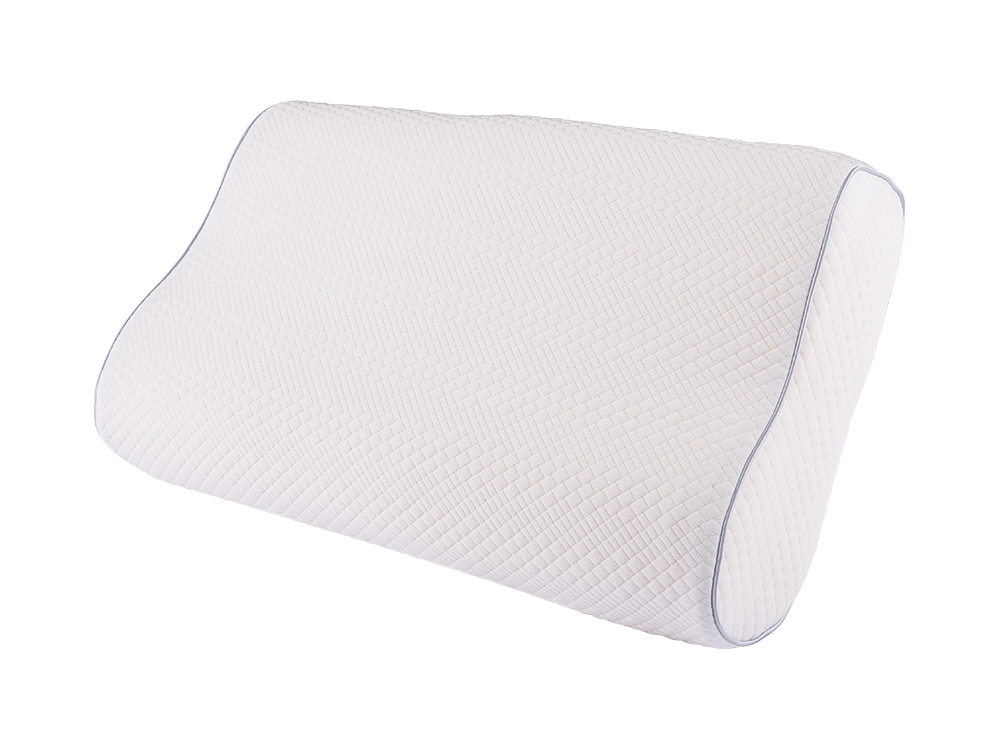
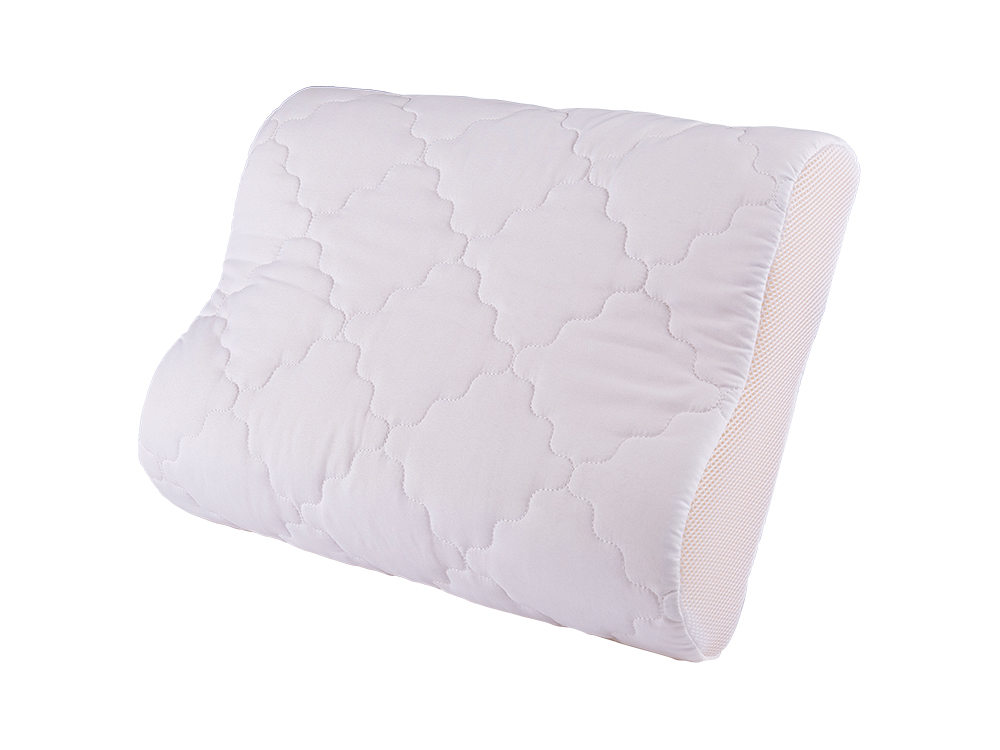
Memory foam pillows contour closely to the head and neck, providing stable support and reducing pressure points. They are popular among people with neck or shoulder discomfort, especially when shaped into ergonomic designs. Latex pillows, made from natural or synthetic rubber, are more responsive and bouncy than memory foam and usually sleep cooler. Both materials resist dust mites and flattening better than many traditional fillings.
Polyester Fiberfill and Microfiber Pillows
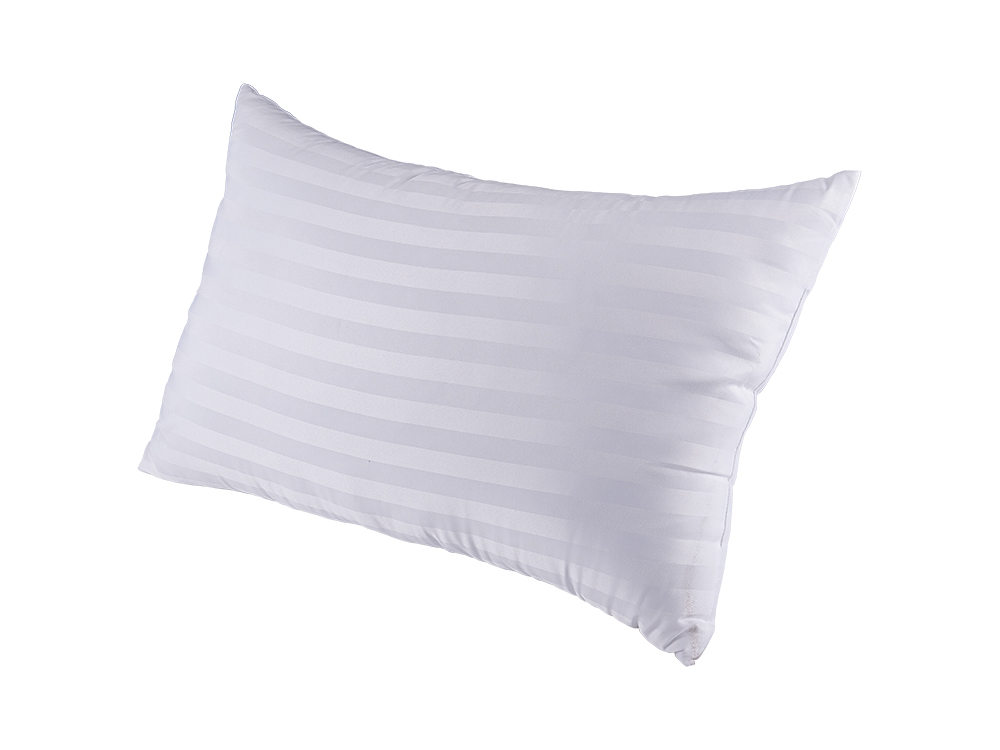
Polyester fiberfill pillows are affordable and widely available. They offer a soft, down-like feel at a lower cost, but they generally compress and lose loft more quickly. Microfiber versions may feel smoother or more consistent in density. These pillows are often fully machine-washable, which is convenient for guest rooms or households needing frequent laundering.
Natural and Specialty Fillings
Some pillows use alternative natural fillings such as buckwheat hulls, kapok fiber, or wool. Buckwheat pillows provide firm, moldable support and excellent airflow but can feel heavy and make rustling sounds. Kapok is a fluffy, plant-based fiber with a loft similar to down, while wool filling offers moderate support and good temperature regulation. These specialty fillings cater to sleepers seeking specific tactile sensations or more natural material options.
Comparing Bedding Materials at a Glance
Because there are many overlapping choices, it helps to compare bedding materials side by side. The table below summarizes the main characteristics of popular sheet materials and duvet fillings to give you a quick reference when shopping or reorganizing your bedding.
| Material Type | Typical Feel | Best For | Key Trade-Off |
| Cotton (Percale) | Crisp, cool, matte | Most sleepers, warm climates | Wrinkles easily but very breathable |
| Cotton (Sateen) | Smooth, slightly shiny | Cooler climates, those who prefer softness | Warmer and heavier, may pill if quality is low |
| Linen | Textured, airy, relaxed | Hot sleepers, humid climates | Higher cost, wrinkles but very durable |
| Bamboo Viscose | Silky, smooth, drapey | Sensitive skin, those who like a cool, soft feel | Quality varies, may require gentle care |
| Silk | Ultra-smooth, cool, luxurious | Skin and hair care, luxury bedding | Delicate and expensive, needs special care |
| Microfiber/Polyester | Soft, often brushed, warm | Budget shoppers, low-maintenance bedding | Less breathable, can feel hot or static-prone |
| Down Filling | Fluffy, lightweight warmth | Cold climates, people who like lofty duvets | Higher cost, needs careful washing and good care |
| Synthetic Fill | Lofty but denser than down | Allergy sufferers, easy-care duvets | Less breathable, may flatten faster than quality down |
How to Choose the Right Bedding Material for You
Once you understand the main types of bedding materials, the next step is to match them to your personal needs. Temperature preference, skin sensitivity, maintenance habits, and budget all influence the best choice. A practical approach is to prioritize one or two factors that matter most, then narrow down your options rather than chasing a single “perfect” fabric.
Consider Your Climate and Body Temperature
If you live in a warm or humid climate, or tend to sleep hot, prioritize breathable, moisture-wicking fibers such as cotton percale, linen, or high-quality bamboo viscose. In cooler climates, sateen-woven cotton, flannel, or microfiber can create a cozier, warmer sleep surface. For duvets, down or wool fillings provide warmth without excessive bulk, while lighter synthetic or cotton fillings suit milder temperatures.
Balance Comfort with Care Requirements
Some of the most luxurious materials, like silk or high-fill-power down, require a more careful care routine. If you prefer low-maintenance bedding, machine-washable cotton or microfiber sheets and synthetic-filled duvets are more practical. Many households keep everyday, easy-care bedding sets and reserve delicate materials for special occasions or guest rooms.
Account for Allergies and Sensitivities
Allergies can influence the best choice of bedding. Synthetic fiberfills labeled as hypoallergenic, tightly woven cotton covers, and washable pillows help reduce dust mites and allergens. Some people with sensitive skin find that smoother fabrics like bamboo viscose, silk, or high-quality cotton sateen reduce irritation. When choosing down products, look for options that are thoroughly cleaned and certified to minimize residual allergens.
Set a Realistic Budget and Prioritize Upgrades
If you are working within a budget, it is often more effective to invest in one or two higher-quality pieces, such as good pillows or a breathable fitted sheet, rather than replacing everything at once with mid-range items. Core items that directly contact your skin, like pillowcases and the top sheet, usually deliver the most noticeable comfort improvements when upgraded to better materials.
By understanding the different types of bedding materials and how they behave, you can assemble a combination of sheets, duvets, and pillows that match your sleeping style and environment. Instead of guessing based on thread count or marketing terms alone, you can make informed choices that improve comfort, durability, and sleep quality every night.

 +86-573-88798028