



 Français
 Español
 Deutsch
Content
- 1 The Truth About “Hotel-Quality” Bedding
- 2 Where Hotels Actually Buy Their Bedding (3 Main Channels)
- 3 The 5 Key Specifications That Define Hotel Bedding
- 4 Retail Brand vs. Factory Direct: A Cost Comparison
- 5 How to Verify a Hotel Bedding Supplier (Checklist)
- 6 Beyond Hotels: Bedding Standards for Hospitals, Dorms & Nursing Homes
- 7 Debunking the “Hotel Collection” Illusion
A single hotel bedsheet may feel like magic, but its path to the nightstand starts in the same textile mills that supply household brands. The difference is not the source—it is the specification. Hotel bedding runs on industrial standards, not boutique mystique. When you understand the supply chain, you can buy the same materials, the same certifications, and often the same manufacturer—at a fraction of the price.
Most consumers assume hotels source exclusively from luxury brands. In reality, the procurement landscape splits into three distinct channels, each with its own cost profile, minimum order quantity, and customization capability. What follows is a forensic look at those channels, the metrics that define “hotel quality,” and how a factory-direct approach can reduce your bedding spend by 50% or more over five years.
The Truth About “Hotel-Quality” Bedding
The phrase “hotel-quality” is marketing shorthand, not a regulated term. There is no official standard that a sheet must meet to earn that label. Instead, hotels benchmark bedding against a set of measurable parameters: fiber length, thread count (within a narrow window), weave type, fill power, and chemical safety certifications. When a hotel procurement manager writes a specification sheet, they define tolerances for pilling, shrinkage, colorfastness, and tensile strength—not brand names.
Consumer perception often diverges sharply from industrial reality. A 1,000-thread-count sheet sounds luxurious, but most five-star properties use percale cotton in the 200–300 TC range because it breathes better and withstands commercial laundering. What feels “crisp” and “cool” to a guest is usually a well-engineered percale weave with a high-quality long-staple cotton, not an ultra-fine yarn count that traps heat.
Misconceptions extend to materials as well. The word “Egyptian cotton” on a label does not guarantee origin. The Cotton Egypt Association estimates that 90% of what is sold globally as Egyptian cotton is counterfeit. Hotels that want genuine long-staple fiber rely on third-party testing and direct mill relationships, not marketing claims. The real differentiator is the combination of fiber quality, weave structure, and finishing—not the country name on the package.
Where Hotels Actually Buy Their Bedding (3 Main Channels)
Hotel bedding procurement falls into three primary channels, each serving a different segment of the market. Understanding the trade-offs is the key to replicating the hotel sleep experience at your exact budget.
| Channel | Typical MOQ | Price per Sheet Set (B2B) | Customization | Certification Visibility |
|---|---|---|---|---|
| Brand Retail Stores (e.g., Marriott Shop) | None (single piece) | $100–$400 | None—off-the-shelf only | Often visible, but not always current |
| Specialist Hotel Suppliers (e.g., Downlite, Harbor Linen) | Medium (10–50 units) | $40–$150 | Limited—brand label or embroidery, color, size | Industry-standard certs usually disclosed |
| OEM / Factory-Direct (e.g., China-based manufacturers) | High (100–500 units) | $12–$35 | Full—fabric blend, weave, finish, packaging, brand label | Must be requested; quality factories share audited reports |
Brand retail stores offer convenience and a recognizable label. You pay a premium for that—often a 300%–500% markup over the factory cost. Specialist hotel suppliers sit in the middle, serving both independent hotels and large chains that want managed inventory without brand overhead. OEM factories represent the deepest value layer, but they require due diligence. When you order directly from a factory, you get the same OEKO-TEX certified fabric, the same stitch density, and the same durability specifications that a hotel buyer negotiates.
The direct channel is not just for institutional buyers. Several factories now accept small trial orders and offer sample programs. The key is finding a manufacturer with audited certifications, a proven hospitality track record, and transparent communication about lead times. Skip the middleman and you can source a 400 TC cotton sateen sheet set for under $25—comparable to what a $200 retail brand sells.
The 5 Key Specifications That Define Hotel Bedding
Hotel buyers evaluate bedding against five technical dimensions. When you shop for your own home, applying the same criteria will give you the same result—without the guesswork.
1. Fiber Composition. The base material dictates hand feel, thermal regulation, and longevity. Long-staple cotton (Giza 86, Supima) and Tencel lyocell dominate premium hotel programs. Polyester-cotton blends are common in midscale and extended-stay properties for no-iron ease and lower cost. Pure polyester appears only in economy-tier or specialty items like pillow protector covers. A typical high-end hotel bed uses 100% long-staple cotton for the sheet set and a cotton-poly blend for the duvet cover to balance softness and shape retention.
2. Thread Count. The sweet spot for hotels is 200–400 for percale and 300–500 for sateen. Anything above 600 usually relies on multi-ply yarns that inflate the number without improving comfort. In fact, ultra-high thread count sheets trap more body heat and tear more easily because the yarns are thinner. Hotels prioritize air permeability and tensile strength. The thread count game is largely a marketing invention; ignore it and focus on the fiber quality and weave.
3. Weave Construction. Percale (one-over-one-under) gives a crisp, matte finish and superior breathability—ideal for warm sleepers and humid climates. Sateen (three-over-one) creates a silky sheen and slightly warmer feel. Most luxury hotels offer both, depending on the property location. Jacquard weaves appear on decorative pillow shams but rarely on the sleep surface itself because they sacrifice smoothness for pattern.
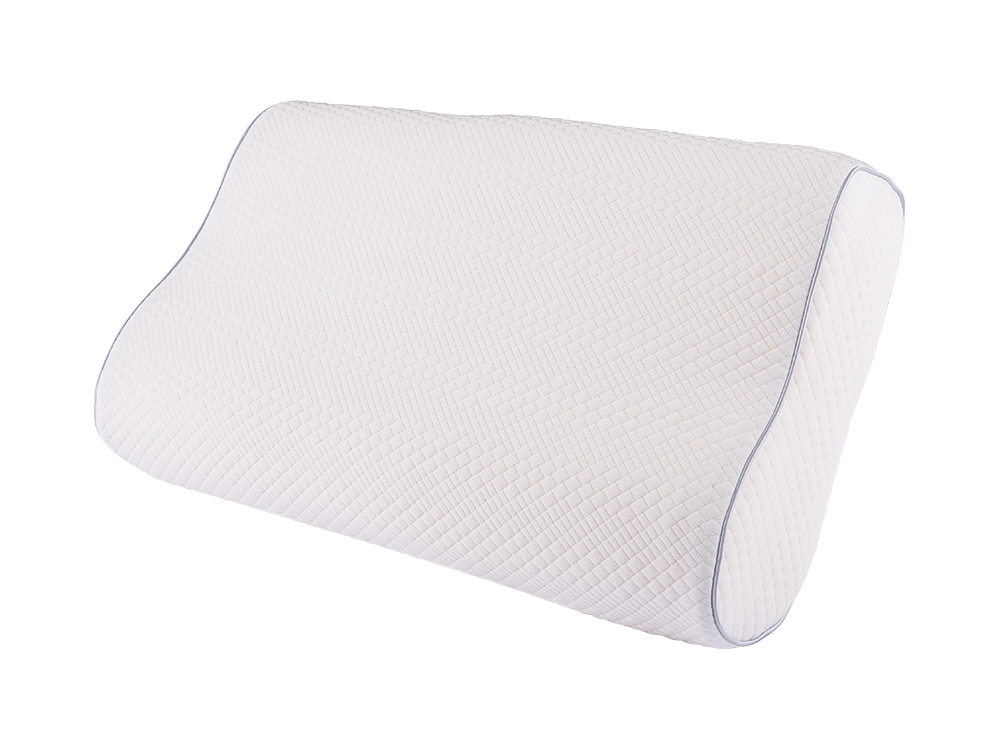
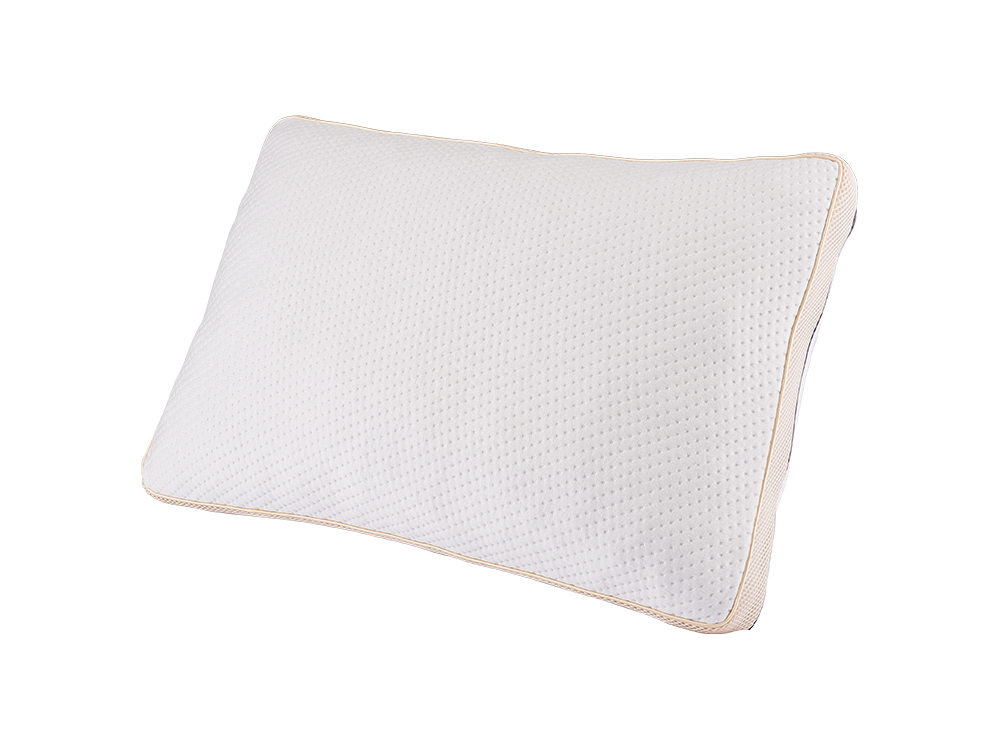
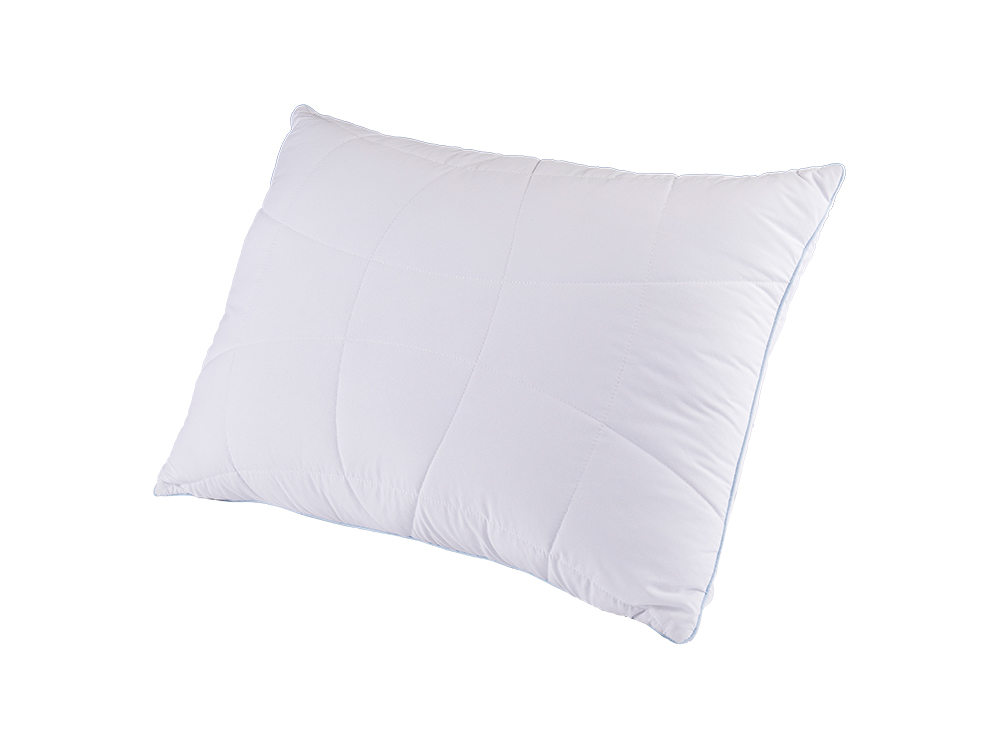
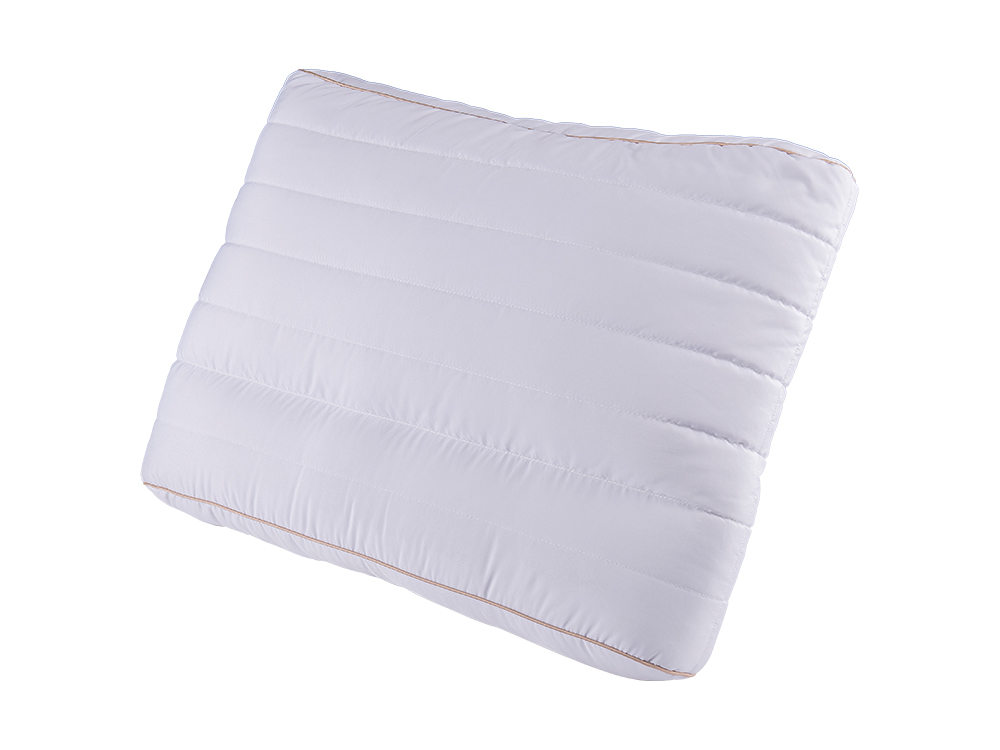
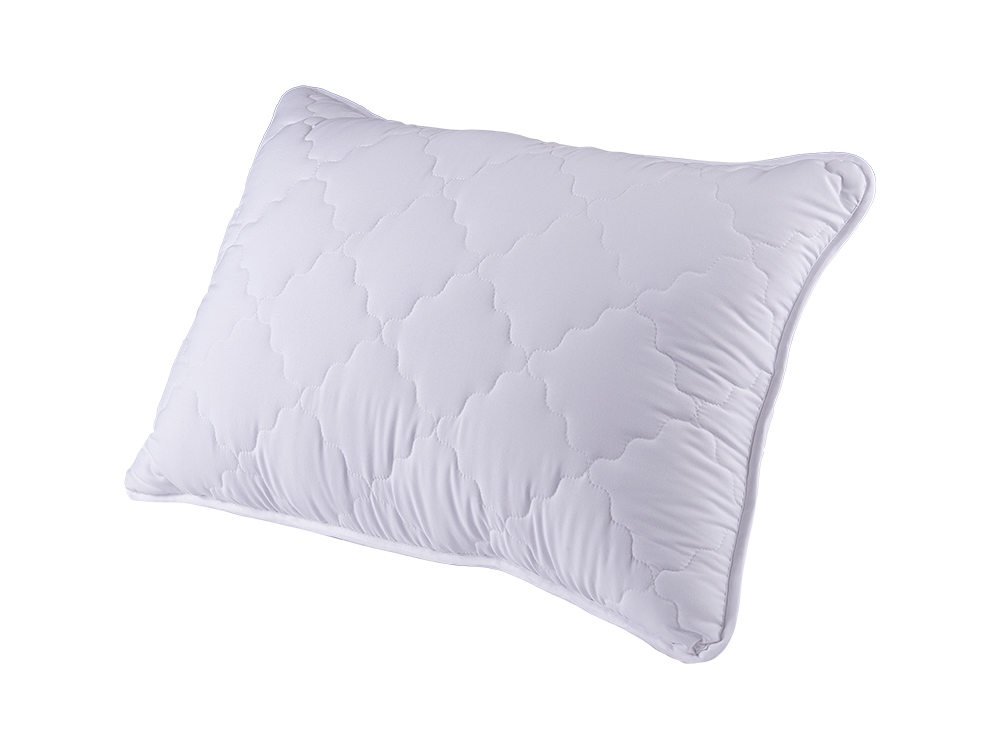
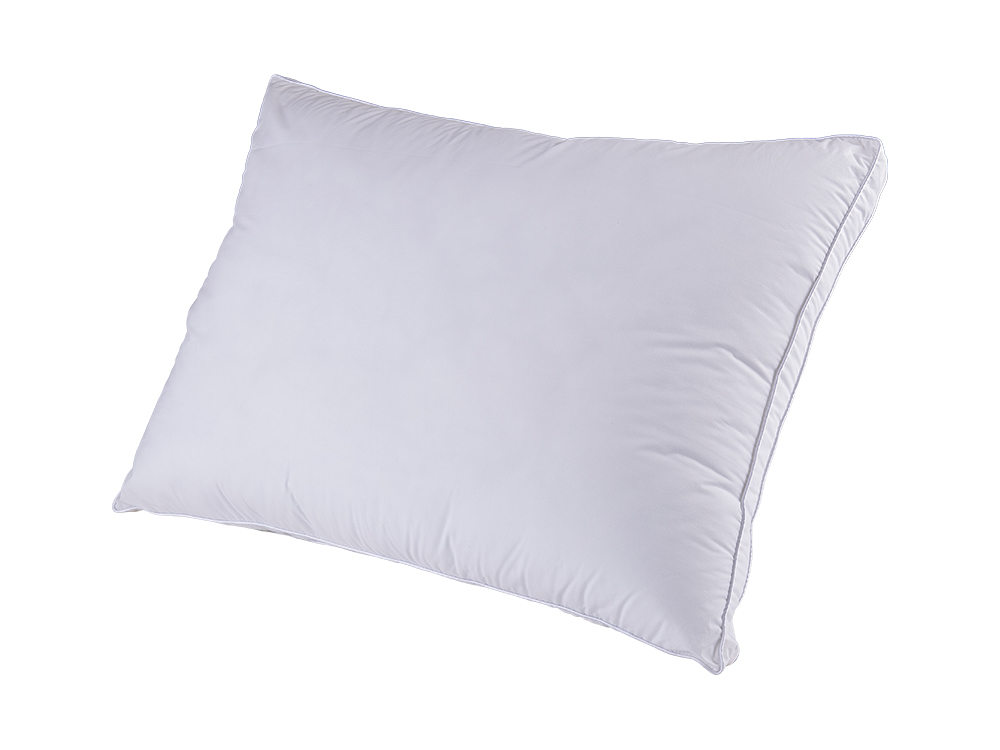
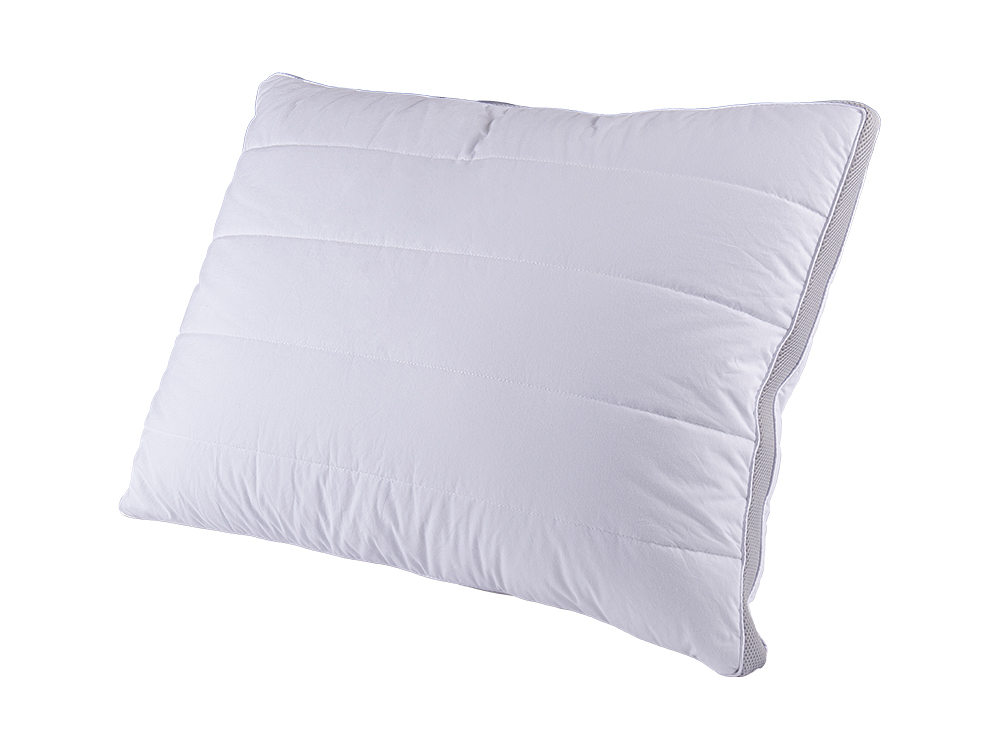
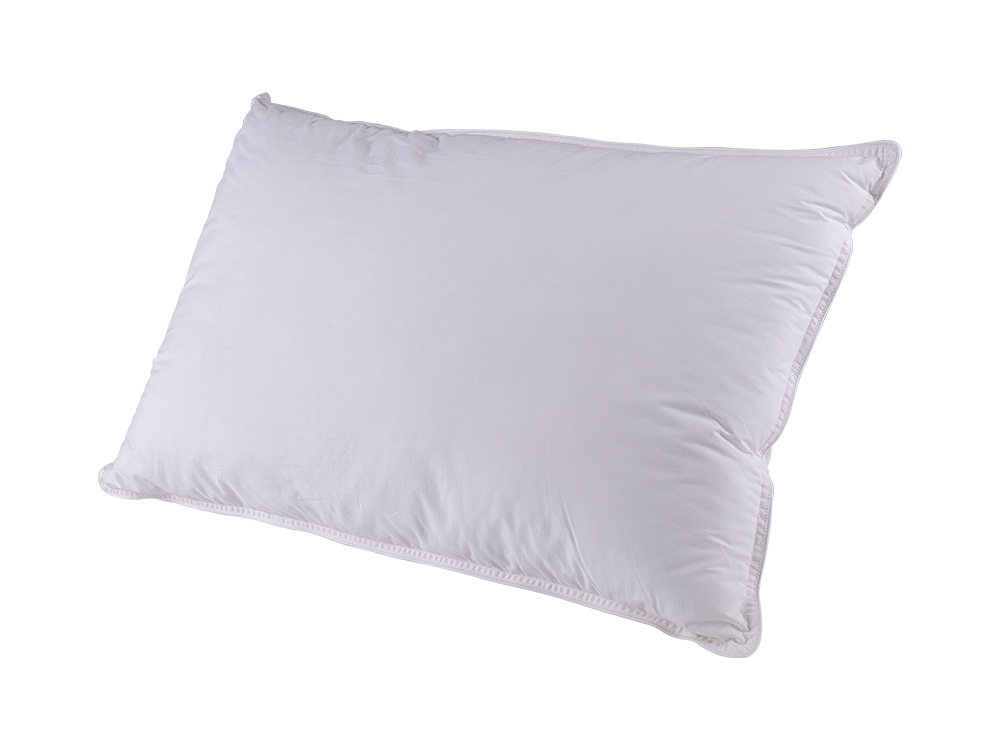
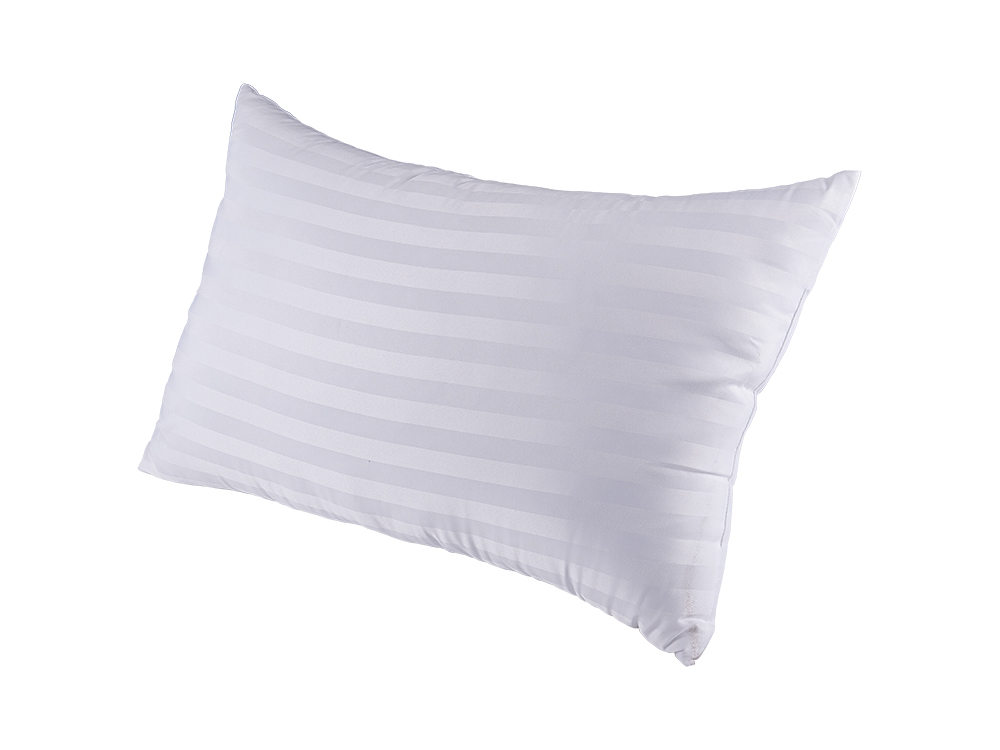
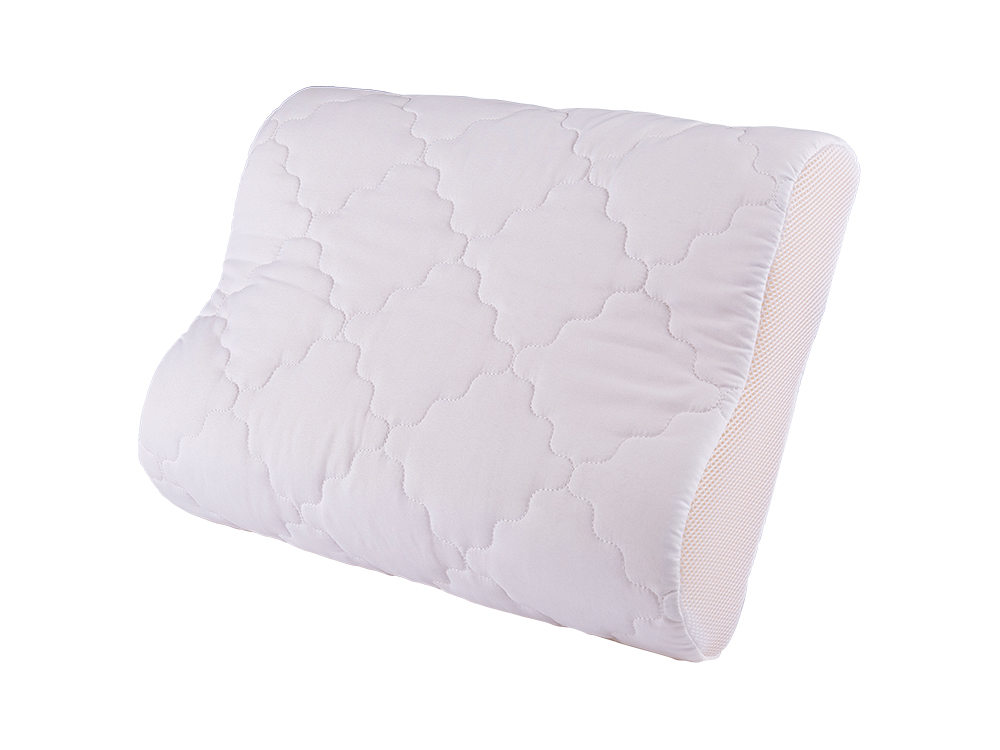
4. Fill Material and Weight. For pillows and duvets, the specification includes fill power (for down), fiber density (for polyester), and fill weight. A hotel down pillow might range from 650–800 fill power with a 25-oz fill. Polyester pillows target 200–300 GSM (grams per square meter) for a medium-firm loft. The memory foam pillow segment is growing in hotel suites, where contour support adds a premium touch. Always check the fill type and weight; these numbers directly correlate to durability after commercial wash cycles.
5. Certifications and Chemical Safety. OEKO-TEX Standard 100 is the baseline—it verifies that every component of the finished product has been tested for harmful substances. For hotels targeting ESG goals, the Global Recycled Standard (GRS) certifies the percentage of recycled content and the supply chain integrity. Large chains now mandate these certifications in their RFPs. If a supplier cannot produce an up-to-date OEKO-TEX certificate and audit report, walk away. Legitimate manufacturers make their certifications available online.
Retail Brand vs. Factory Direct: A Cost Comparison
The price difference between a brand-labeled sheet set and the identical factory-origin product is startling. Below is a representative comparison based on current market data for a 300 TC cotton percale queen sheet set.
| Attribute | Retail Brand (e.g., Parachute) | Factory Direct |
|---|---|---|
| Material | 100% long-staple cotton | 100% long-staple cotton |
| Weave | Percale, 300 TC | Percale, 300 TC |
| OEKO-TEX Certified | Yes | Yes |
| Price (queen set) | $249–$349 | $18–$35 (FOB) |
| Customization | No | Full—size, color, hem style, embroidery |
| 5-year replacement cost (4 sets) | $996–$1,396 | $72–$140 plus shipping |
The math is unambiguous. Over a five-year cycle, replacing bedding annually, the retail route costs roughly ten times more. Even after adding international shipping and a modest customs duty (around 10–12% for U.S. imports on textiles), the factory-direct total stays under $200. The savings are not because of quality compromises—the same mill often produces both the branded and unbranded items. You are essentially paying for marketing, retail margins, and the convenience of one-click purchasing.
Large hotel groups leverage this arithmetic on a massive scale. A 500-room property replacing sheets every six months will negotiate rates that make the retail price seem absurd. Individual consumers can access similar economics by forming buying groups or buying directly from a factory that accepts smaller sample orders. The factory-direct model cuts costs not by cutting corners but by collapsing the supply chain to three steps: mill, factory, final customer.
How to Verify a Hotel Bedding Supplier (Checklist)
Whether you are a procurement manager sourcing 10,000 pillowcases or a homeowner ordering two sets, the verification steps are the same. Skip one of these checks and you risk receiving fabric that fades after three washes or a pillow that goes flat in a month.
- Request the OEKO-TEX certificate. The certificate number must be traceable on the OEKO-TEX website. Ask for the full test report, not just the logo.
- Ask for a GRS or ISO certificate if applicable. If the supplier claims recycled content, demand a valid GRS scope certificate (not just a transaction certificate). ISO 9001 indicates quality management maturity.
- Order a pre-production sample. Test it yourself—wash it five times at high heat, check shrinkage and colorfastness. This is the only way to verify fabric hand and construction.
- Inspect the factory (on-site or video). Reputable factories will provide a live video walkthrough of their production lines. Look for organized stitching stations, fabric inspection equipment, and packed export pallets.
- Confirm MOQ and lead time in writing. Direct factories typically have a minimum order quantity of 100–300 units per SKU. Lead times range from 25 to 40 days. Get these numbers on the proforma invoice.
- Check the packing specification. Hotels often require specific folding, polybag thickness, and barcode labeling. A factory that handles hospitality accounts will have a packing checklist ready.
These checks amount to perhaps three hours of effort. The return is a supply line that delivers the same bedding used by international hotel chains at a cost that leaves room for profit—or pure savings.
Beyond Hotels: Bedding Standards for Hospitals, Dorms & Nursing Homes
The same engineering logic that governs hotel bedding applies to other institutional settings, but the priority stack shifts. Where a hotel emphasizes luxury hand feel, a hospital cares about bacterial barrier protection and fluid resistance. A dormitory demands extreme durability at the lowest possible cost. A nursing home straddles comfort and infection control.
| Setting | Top Priority | Recommended Material | Key Certification |
|---|---|---|---|
| Hotel (5-star) | Comfort, aesthetics | 100% long-staple cotton percale | OEKO-TEX Standard 100 |
| Hospital | Infection control, fluid barrier | Polyester-cotton blend with antimicrobial finish | FDA clearance for medical textiles, OEKO-TEX |
| Student Dormitory | Durability, cost | Polyester-rich blend (T180–T200), anti-pilling finish | OEKO-TEX (for chemical safety) |
| Nursing Home | Easy-care, skin-friendliness | Cotton-rich blend, T250 percale or sateen | OEKO-TEX, optional GRS for recycled content |
The thread count for hospital sheets typically stays at 180–200 with a durable press finish to survive industrial laundry cycles at 160°F. Dorm supplier contracts frequently specify a minimum tensile strength of 35 lbs in the warp direction and 25 lbs in the weft—numbers that translate into years of student abuse. Across all these sectors, the procurement pattern is the same: write a tight specification sheet, source from a factory with the right certifications, and never pay the retail markup. The factory that makes your hotel sheets can also make your nursing home linens with a simple substitution of fabric and finishing.
Debunking the “Hotel Collection” Illusion
Many consumers believe that a branded “Hotel Collection” sold at a department store is the same product used by actual hotels. It is not. Hotel chains license their names to third-party manufacturers who produce a separate retail line with different specifications—often lower-cost materials and less rigorous quality control—to meet a consumer price point. The sheets in a Ritz-Carlton room are engineered to endure 200 commercial wash cycles. The sheets with a Ritz-Carlton label at a department store may fail after 50 home washes.
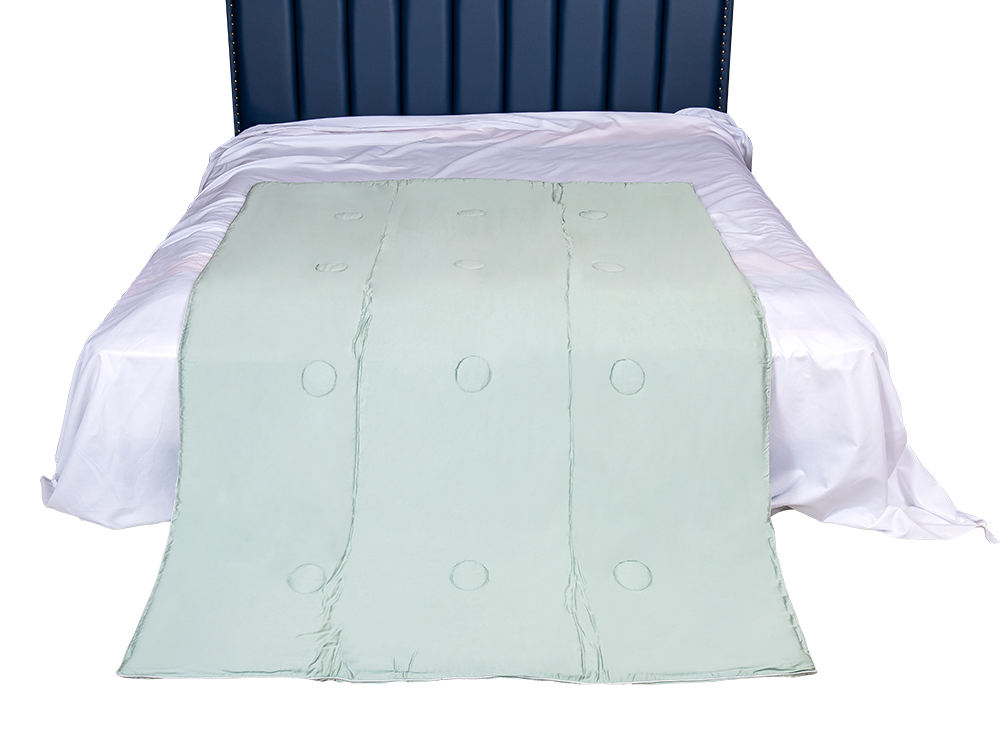
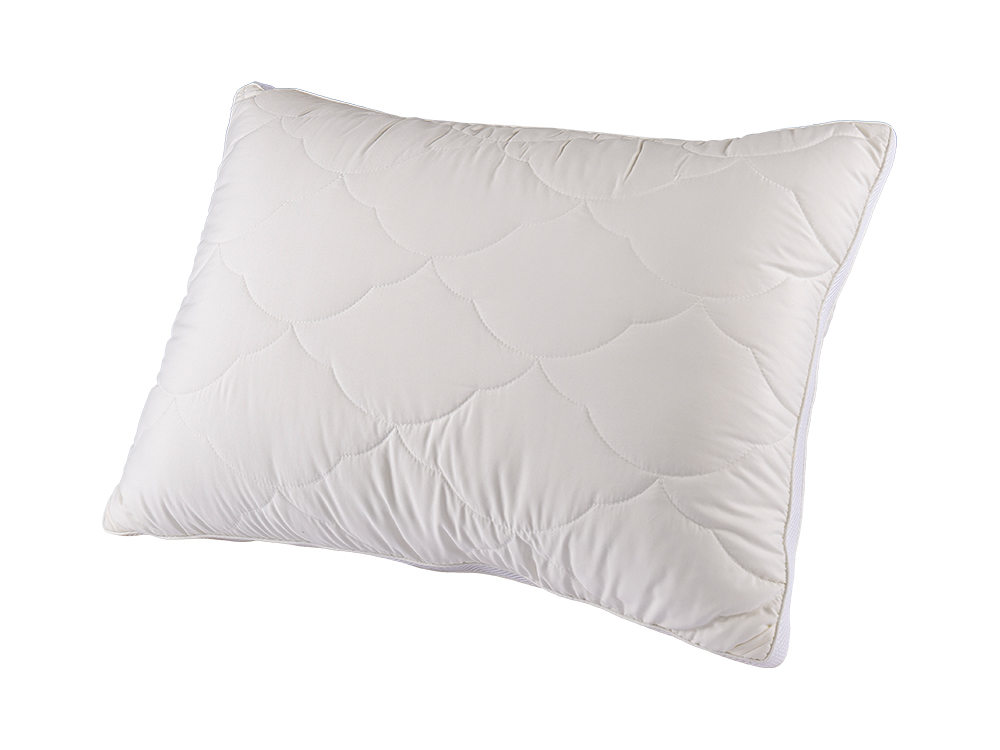
Another entrenched myth is that down comforters are inherently superior to fiber-filled ones. In controlled lab tests, a well-designed polyester microfiber duvet insert with a 250 GSM fill can replicate the loft and warmth of 600-fill-power down while being hypoallergenic and machine-washable. Several boutique hotel chains have already switched to premium microfiber inserts, including those made with cooling quilt technology, because they reduce guest allergy complaints and cut housekeeping turnaround time.
The final illusion is price. The market has conditioned us to associate high cost with high quality. When a sheet set costs $300, we assume it is better than a $30 set. In textiles, the correlation breaks down rapidly beyond the $50–$70 mark for a factory-direct set. Above that threshold, every additional dollar goes to branding, distribution, and retail markup—not to fiber quality or manufacturing precision. Understanding this is the first step toward building a genuine hotel sleep environment without the hotel price.


 +86-573-88798028