



 Français
 Español
 Deutsch
Content
- 1 What Is a Down Comforter?
- 2 What Is a Down Alternative Comforter?
- 3 Core Differences at a Glance
- 4 Warmth and Breathability
- 5 Weight, Loft, and Feel
- 6 Allergies and Sensitive Sleepers
- 7 Care and Maintenance
- 8 Price and Long-Term Value
- 9 Sustainability Considerations
- 10 How to Choose the Right Comforter for Your Market
If you have ever stood in a bedding aisle or scrolled through a sourcing platform, you have probably asked yourself a simple question: what really is the difference between a down comforter and a down alternative comforter? At our factory in Tongxiang, we have been making quilts, pillows, and mattress protectors for more than two decades. We have seen how this question shapes buying decisions for retailers, hotel buyers, and brand owners. The short answer is that the difference is not just about warmth. It is about fill material, weight, breathability, allergy concerns, cleaning routines, cost, and sustainability. Let us walk through it together, the way we would explain it to a new customer visiting our production floor.
What Is a Down Comforter?
A down comforter is filled with the soft, insulating layer found under the feathers of ducks and geese. This fill is usually a blend of down clusters and small feathers, though premium comforters may use a higher percentage of down. The down clusters trap air and create a high warmth-to-weight ratio, which is why down comforters feel light yet very warm. They also compress easily, so they fold down small for storage or travel. The outer shell is typically a tightly woven cotton or cotton-blend fabric that keeps the fill from escaping. For people who sleep cold or want a classic hotel-style bed, down remains a popular choice. However, down is an animal product, and it requires careful sourcing and cleaning to meet quality and hygiene standards.
What Is a Down Alternative Comforter?
A down alternative comforter uses synthetic or plant-based fill instead of animal down. The most common fill is polyester fiber, often in the form of microfiber or hollow siliconized fiber. Some manufacturers also use bamboo fiber, lyocell, or other eco-friendly fills. These materials are designed to mimic the loft and softness of down while offering different performance traits. Down alternative comforters are generally hypoallergenic, machine washable, and more affordable. They may be slightly heavier for the same warmth level, and they can lose loft over time if the fill is low quality. But modern microfiber fills have come a long way. In our own quilt production, we use fine microfiber and other synthetic fills to create comforters that feel soft, resist clumping, and hold their shape after repeated washing.
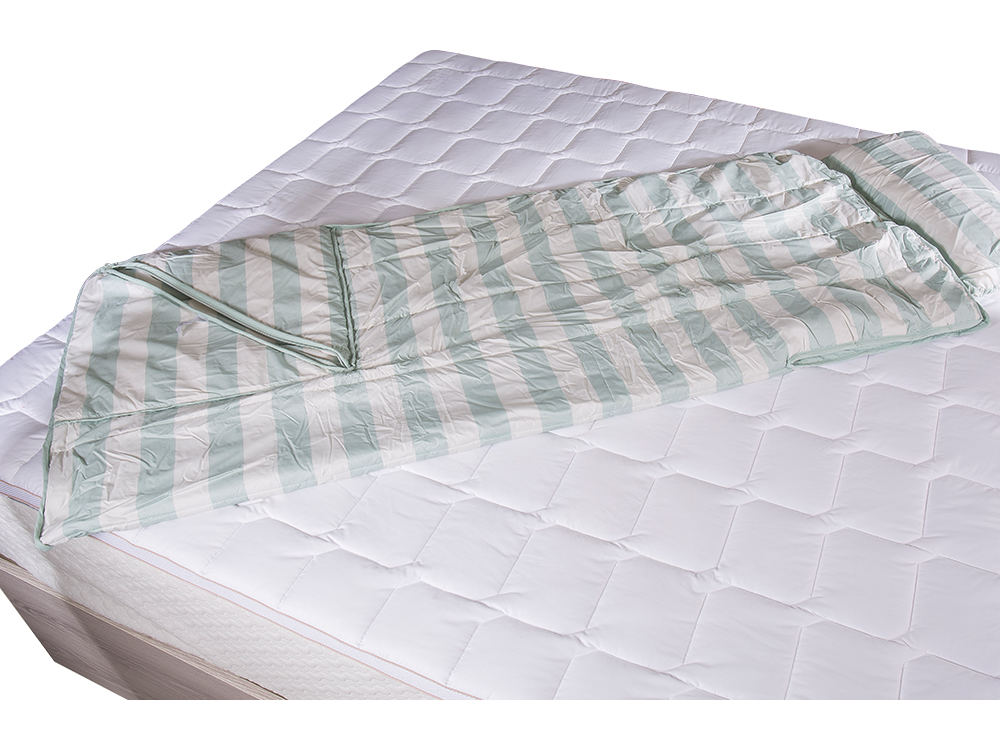 Custom Polyester Microfiber Quilts for OEM and ODM BeddingExplore this microfiber quilt category for customizable polyester quilts, brushed fabrics, and OEM/ODM supply options tied to down-alternative bedding needs.View Product →
Core Differences at a Glance
| Feature | Down Comforter | Down Alternative Comforter |
|---|---|---|
| Fill material | Duck or goose down clusters and feathers | Polyester microfiber, hollow fiber, bamboo, or other synthetics |
| Warmth-to-weight ratio | Very high; light but extremely warm | Moderate to high; needs more fill for similar warmth |
| Breathability | Excellent when dry and well-made | Varies by fill and shell; can be engineered for breathability |
| Allergies | Can trigger reactions for sensitive sleepers | Usually hypoallergenic and dust-mite resistant |
| Cleaning | Often dry-clean or professional wash only | Usually machine washable and quick-drying |
| Price | Higher, especially for high fill power | Lower to moderate; good value for volume buyers |
| Durability | Long-lasting if cared for properly | Good, but low-quality fills may flatten sooner |
| Sustainability | Animal welfare and traceability matter | Can use recycled PET or plant-based fibers |
Warmth and Breathability
Down is famous for trapping warmth without weight. A high fill power down comforter can keep you warm with very little bulk. It also breathes well, allowing moisture vapor to escape so you do not overheat as easily. Down alternative comforters can also be warm and breathable, but the result depends on the fill structure and the shell fabric. A dense polyester fill in a tightly woven shell may feel warmer but less breathable. On the other hand, engineered microfiber fills with open channels or cooling treatments can improve airflow and moisture management. For hot sleepers, we often recommend a down alternative comforter with a cooling fill or a breathable cotton shell. That is why we developed our cooling quilt line, which uses moisture-wicking fabrics and lightweight fill to help regulate temperature through the night.
 Custom Cooling Quilt with Polyester Cooling Knit FabricView this OEM/ODM cooling quilt with breathable knit fabric and 3D or 6D cotton fill, suited to summer bedding and hot sleepers.View Product →
Weight, Loft, and Feel
When you pick up a down comforter, it feels almost weightless. The loft is airy and cloud-like, and it drapes softly over the body. A down alternative comforter tends to have a slightly more substantial feel. Some sleepers prefer that weight because it feels cozy and grounding. Others want the airy lightness of down. The loft also affects how the comforter looks on the bed. High-loft down gives a puffy, hotel-style appearance, while many down alternative comforters are flatter unless they use high-loft microfiber or a baffle-box construction. In our experience, the feel of a down alternative comforter can be adjusted by choosing the right fiber denier, fill weight, and quilting pattern. A well-made microfiber quilt can feel remarkably close to down, especially when the fill is evenly distributed.
Allergies and Sensitive Sleepers
One of the biggest reasons people choose down alternative is allergy concerns. Down can contain dust mites, and some people are allergic to feathers or down itself. Even if the down is cleaned thoroughly, sensitive sleepers may still react. Down alternative comforters are typically made from synthetic fibers that do not support dust mites as easily, and they can be washed more frequently at higher temperatures. For households with asthma or allergy sufferers, a down alternative comforter is often the safer choice. That said, not all synthetics are equal. Low-quality polyester may trap dust or develop odors over time. Look for fills that are treated to resist allergens and shells that are tightly woven to keep dust out. If you are sourcing for a health-conscious market, this is a key selling point.
Care and Maintenance
Down comforters require gentle care. Many can be washed, but they need a large-capacity machine, a mild detergent, and a long drying time with dryer balls to restore loft. If the down gets clumped or the shell is delicate, professional cleaning is safer. Down alternative comforters are usually much easier. Most can go straight into a standard washing machine and tumble dry on low. They dry faster and rarely need special treatment. For hotels, rental programs, or family homes, this convenience matters. A comforter that can be washed and dried quickly reduces downtime and replacement costs. It also helps keep the bedding fresh and hygienic. In our factory, we test washability and shrinkage so that our down alternative quilts can hold up to repeated laundering without losing their shape.
Price and Long-Term Value
Down comforters usually cost more because down is a limited natural material and the processing is complex. High fill power down can be expensive, but it lasts for many years with proper care. Down alternative comforters have a lower upfront price, which makes them attractive for budget-conscious buyers, large hotel orders, and private-label brands. The long-term value depends on quality. A cheap down alternative comforter may flatten after a few washes, while a well-constructed microfiber or bamboo quilt can remain fluffy for years. For B2B buyers, the key is to balance cost per unit with expected lifespan and customer expectations. We often help clients compare fill weights and fabric options to find the right price point for their market.
Sustainability Considerations
Sustainability is becoming a major factor in bedding decisions. Down has an animal welfare dimension. Responsible down standards trace the supply chain and ensure humane treatment, but not all products carry that certification. Down alternative comforters can be made with recycled polyester, which diverts plastic bottles from landfills, or with renewable plant fibers such as bamboo. These options appeal to eco-conscious consumers and brands with sustainability goals. As a manufacturer, we hold certifications such as GRS, OEKO-TEX, and ISO14001, and we work with recycled and low-impact materials. For example, our bamboo quilt uses natural bamboo fiber that is soft, breathable, and biodegradable. Choosing a down alternative does not mean giving up on sustainability; it can actually make it easier to meet green procurement standards.
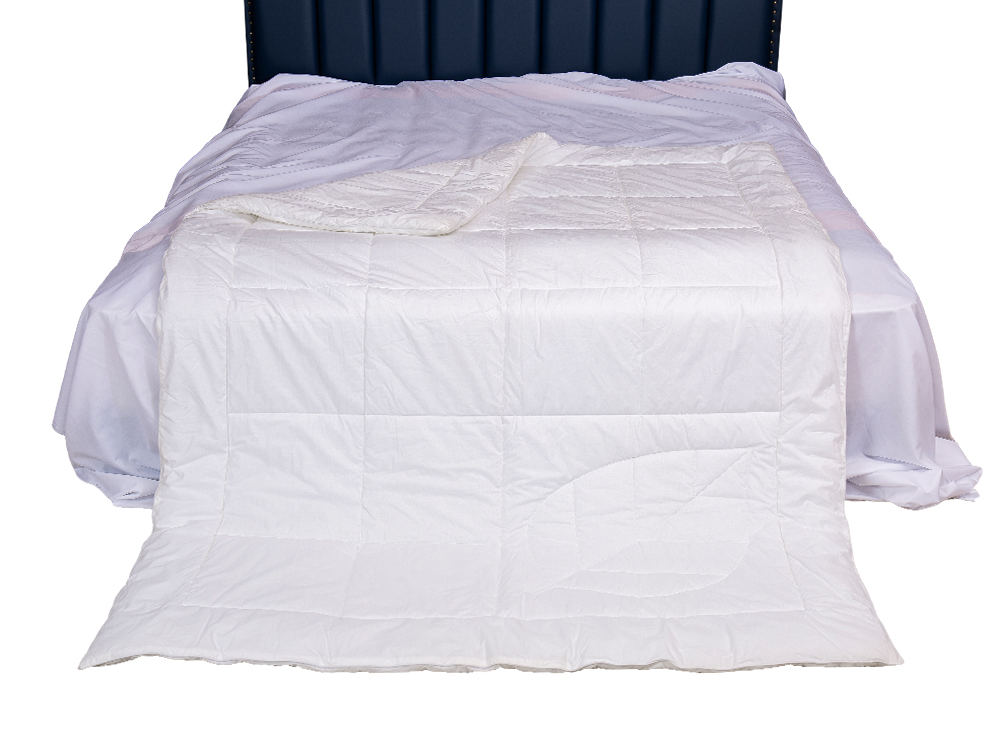 Custom Bamboo Fiber Quilt for OEM and ODM BeddingCustom bamboo quilt with bamboo fiber fill and cotton or polyester fabric options, relevant to sustainable and down-alternative bedding sourcing.View Product →
How to Choose the Right Comforter for Your Market
There is no single winner. Down and down alternative comforters serve different needs. Choose down if your customers value luxury, low weight, and natural fill, and if they are willing to follow careful care instructions. Choose down alternative if you need hypoallergenic options, easy washing, lower prices, or vegan-friendly materials. You can also offer both and let customers decide. When specifying a down alternative comforter, pay attention to fill type, fill weight, shell fabric, quilting construction, and certifications. These details determine warmth, durability, and customer satisfaction. For a deeper dive into specifications, our B2B guide to specifying a luxury down alternative comforter covers fill power, shell options, and compliance requirements. If you want to discuss your own product line, learn more about our factory or reach out to our team.
The difference between a down comforter and a down alternative comforter is ultimately a difference in materials, performance, and priorities. Down offers unmatched warmth-to-weight and a natural, luxurious feel. Down alternative offers practicality, allergy-friendly comfort, easier care, and more room for sustainable innovation. At our factory, we produce both types of quilts and help brands find the right fit for their customers. Whether you are a hotel buyer, an importer, or a brand owner, understanding these differences will help you make a more confident decision. If you have questions, we are always happy to share what we have learned on the production floor.

 +86-573-88798028