



 Français
 Español
 Deutsch
Content
- 1 The Market Is Warming Up — Literally
- 2 Why Cooling Quilts Are Outperforming Traditional Summer Bedding
- 3 The Science Behind the Cool: What Makes a Quilt Actually Cooling
- 4 Which Market Segments Are Driving Demand
- 5 What to Look for When Sourcing Cooling Quilts
- 6 The Factory-Direct Advantage in a Competitive Summer Window
Summer 2026 is shaping up to be one of the hottest on record — and that's not just a weather forecast. For bedding buyers, importers, and retail buyers, it's a commercial signal. Cooling quilts, once a niche product in a handful of Asian markets, have crossed into mainstream demand across North America, Europe, and Southeast Asia. The category is growing fast, the consumer pull is real, and the sourcing window to get ahead of it is now.
This article breaks down why cooling quilts are outperforming traditional summer bedding, what's actually driving the demand, and what B2B buyers should know before placing their next order. For a broader look at how material science is shaping modern sleep products, see our complete guide to bedding materials for different climates.
The Market Is Warming Up — Literally
Global average temperatures have risen steadily over the past decade, and the effects are showing up in consumer spending. Warmer nights mean more people struggling to sleep comfortably — and more people actively looking for solutions. Research published by the Sleep Foundation confirms that elevated room and body temperatures directly impair sleep onset, sleep continuity, and time spent in deep sleep stages. This isn't a fringe concern: it affects a significant share of the population every summer, and increasingly, year-round in warmer climates.
The numbers behind the bedding market reflect this shift. The global bedding market reached USD 153 billion in 2026 and is projected to hit USD 205 billion by 2031, growing at a 6% CAGR. Within that, the quilt segment specifically was valued at USD 5.29 billion in 2024 and is forecast to reach USD 6.96 billion by 2031. Temperature-regulating products — cooling quilts, phase-change comforters, moisture-wicking covers — are among the fastest-moving sub-categories, driven by the convergence of climate reality and growing consumer awareness around sleep health.
Sleep is no longer just a biological need — it's a wellness category. Consumers are researching bedding the way they research supplements or fitness gear. That behavioral shift is what's pulling cooling quilts out of seasonal obscurity and into year-round inventory conversations. A study on how bedroom temperature and bedding choices affect sleep quality underscores just how directly product decisions in this category translate to measurable consumer outcomes.
Why Cooling Quilts Are Outperforming Traditional Summer Bedding
For decades, the standard summer bedding answer was simply a thinner quilt — lower fill weight, lighter fabric, done. That approach still sells, but it's losing ground to a more sophisticated product: the purpose-engineered cooling quilt. The difference isn't just marketing. It's measurable performance.
Traditional summer quilts reduce warmth by reducing fill. Cooling quilts go further — they actively manage body heat through specialized fabrics that absorb and dissipate thermal energy faster than the body generates it. The result is a product that doesn't just feel less warm; it actively feels cool. That's a fundamentally different consumer experience, and one that supports a higher price point.
For B2B buyers, this distinction matters at the shelf. Consumers who've tried a properly engineered cooling quilt rarely go back to a plain summer quilt. Repurchase rates and brand loyalty in this sub-category are notably stronger than in commodity bedding. If you're sourcing wholesale cooling quilts designed for hot sleepers and summer use, you're not just filling a seasonal slot — you're building a product line that earns repeat customers.
The Science Behind the Cool: What Makes a Quilt Actually Cooling
Not every quilt marketed as "cooling" delivers meaningful temperature relief. Understanding the underlying mechanisms helps buyers make sourcing decisions based on real performance rather than packaging claims.
Three factors determine whether a cooling quilt works:
- Q-Max value (contact cooling coefficient): This is the primary metric for evaluating how cool a fabric feels on initial skin contact. A Q-Max above 0.4 W/cm² is the industry benchmark for genuine cooling sensation — standard textile fibers sit around 0.2. High-performance cooling fabrics, typically engineered nylons or mica-infused fibers, consistently exceed this threshold. When evaluating samples, always request Q-Max test data.
- Moisture-wicking and breathability: Cooling isn't only about the first-touch sensation. A quilt that traps moisture quickly becomes uncomfortable regardless of its initial cool feel. Look for knitted constructions and open-cell fabric structures that allow airflow and pull moisture away from the skin throughout the night.
- Fill weight and loft balance: Cooling quilts need to balance the tactile security of a quilt with minimal thermal resistance. Lightweight polyester fills (under 150 GSM) paired with cooling-fiber shells offer the best performance-to-cost ratio for most markets.
Clinical research supports what the textile specs suggest. A study conducted by researchers from Harvard Medical School and Mass General Brigham, analyzing nearly 1,000 nights of sleep among hot sleepers, found significant improvements in temperature regulation and sleep quality when purpose-designed cooling bedding was used. That kind of third-party validation is increasingly useful for retail buyers building a product story for end consumers.
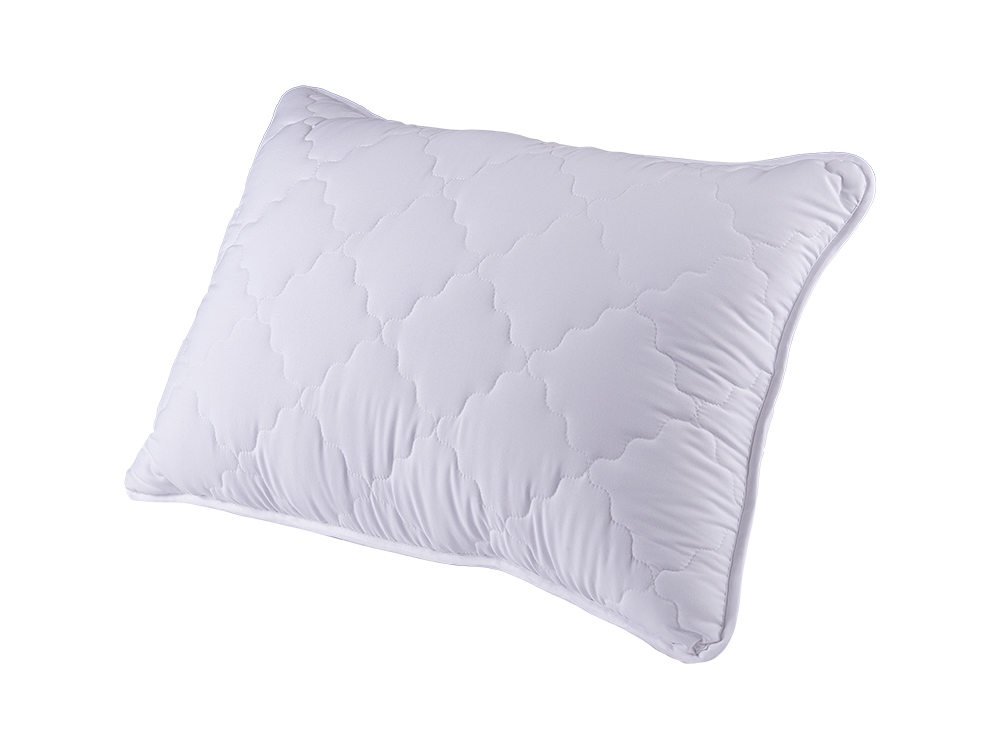
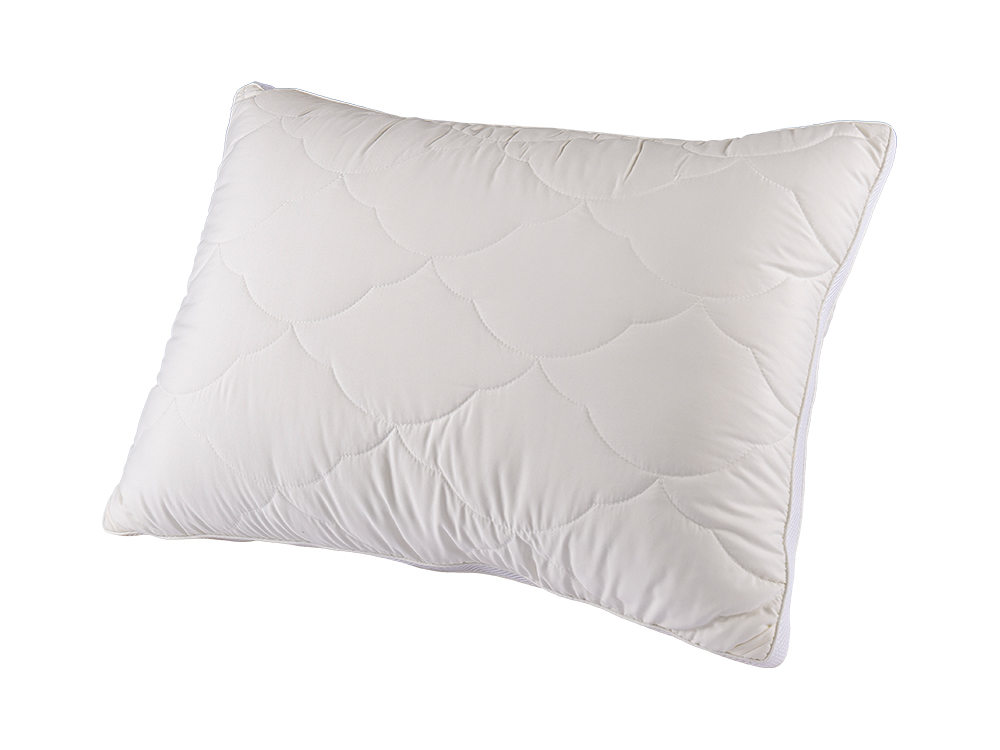
Two products worth examining when sourcing: the summer cool quilt built for breathability and skin comfort, and the knitted cooling quilt with active heat-dissipation construction — the latter leveraging a knitted shell structure that significantly improves airflow compared to woven alternatives.
Which Market Segments Are Driving Demand
Cooling quilts don't have a single buyer profile. Three distinct B2B channels are currently generating the strongest pull, each with different sourcing priorities.
Direct-to-consumer and e-commerce brands are the most active adopters. Platforms like Amazon, Wayfair, and regional equivalents have made it easy for smaller brands to launch sleep-focused product lines without physical retail infrastructure. Online B2C bedding sales are advancing at nearly 8% annually — well above the broader market. For these buyers, private-label capability, consistent quality, and strong product photography specs matter as much as price.
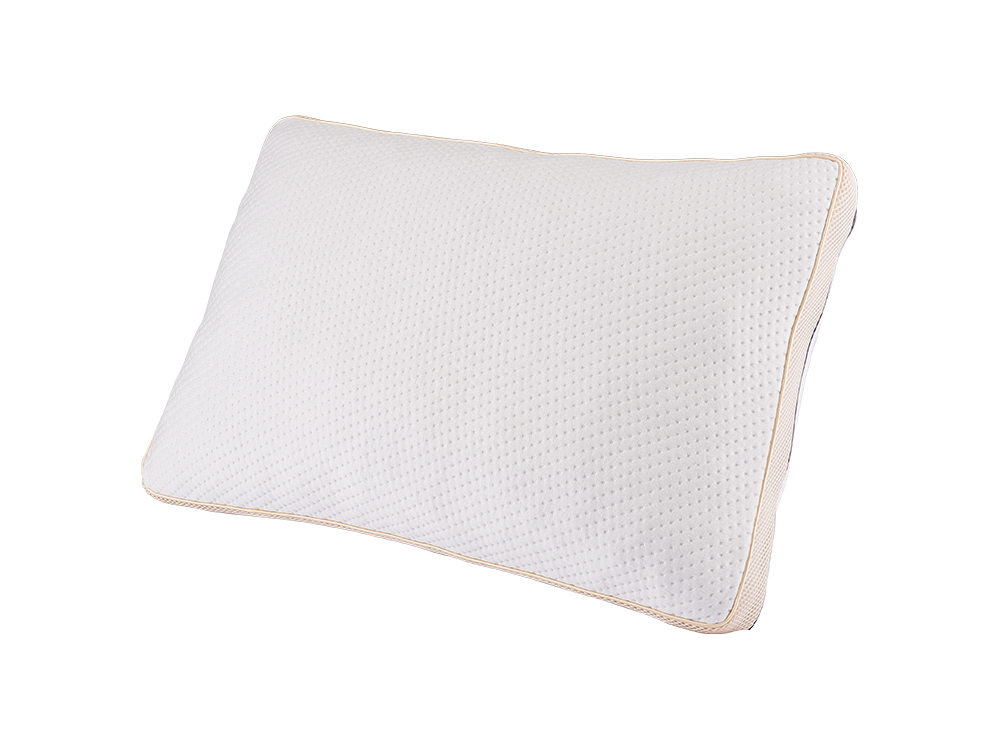
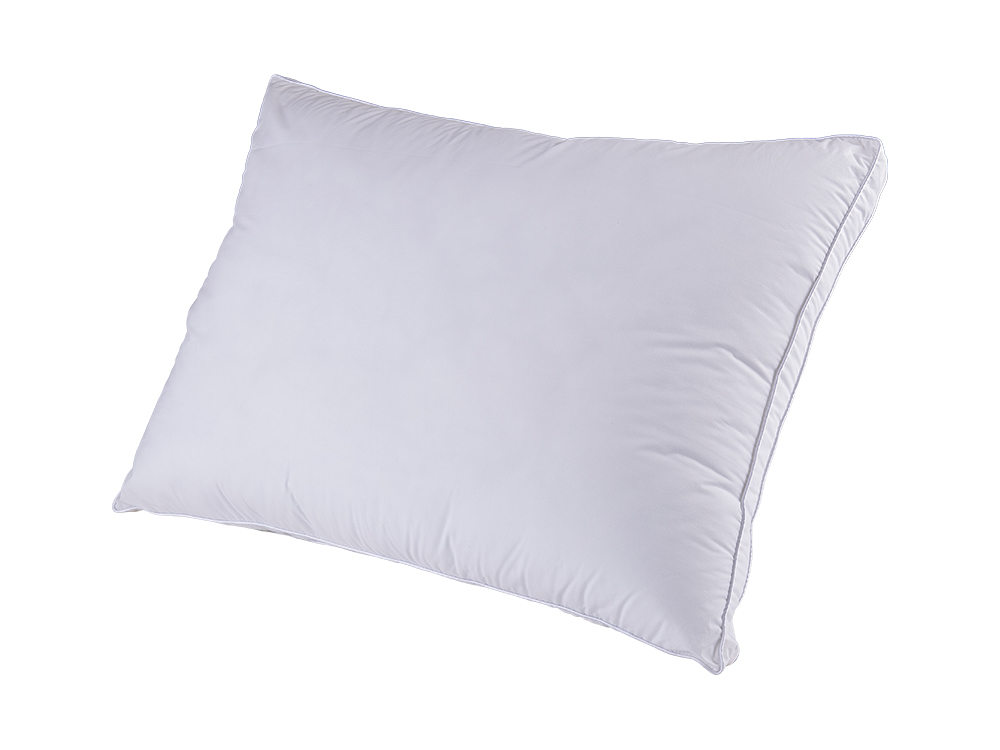
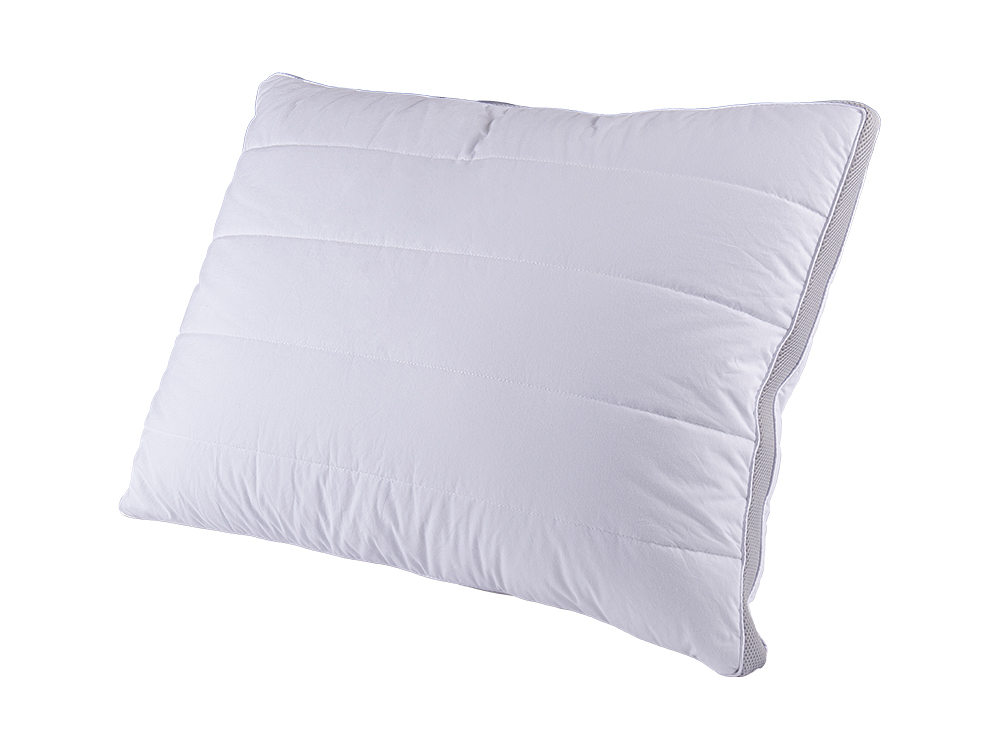
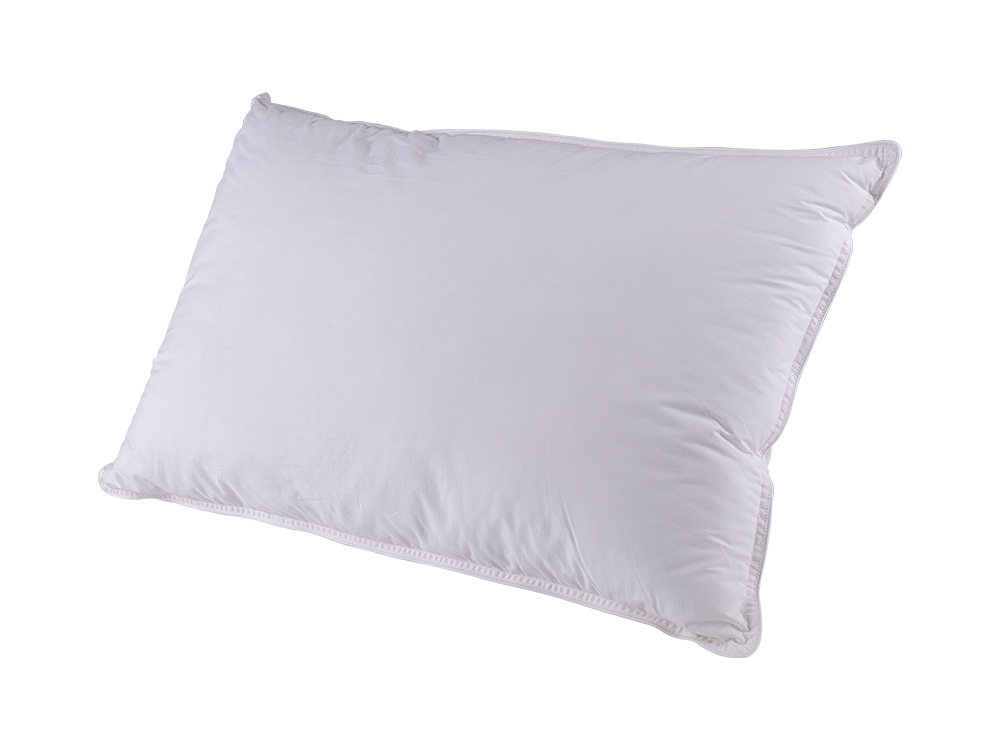
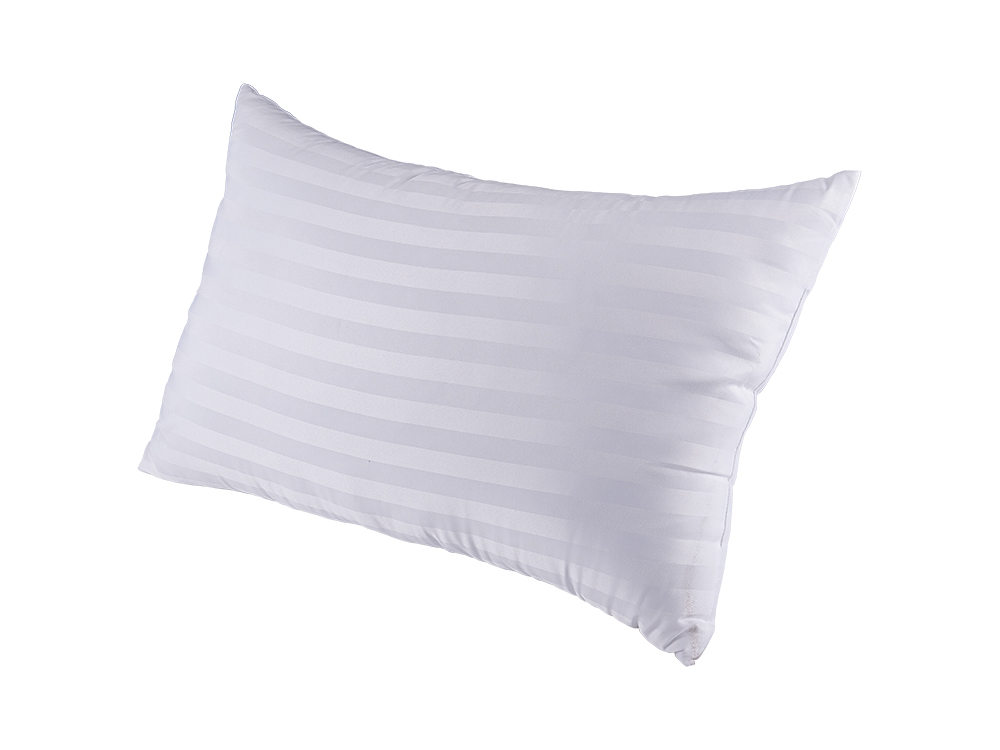
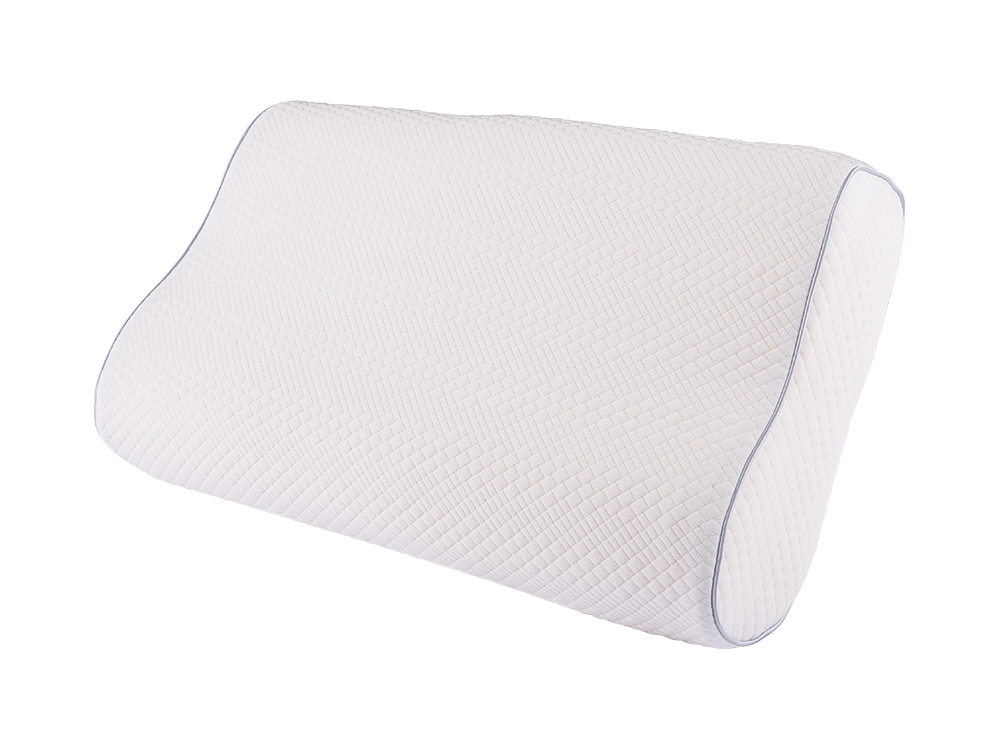
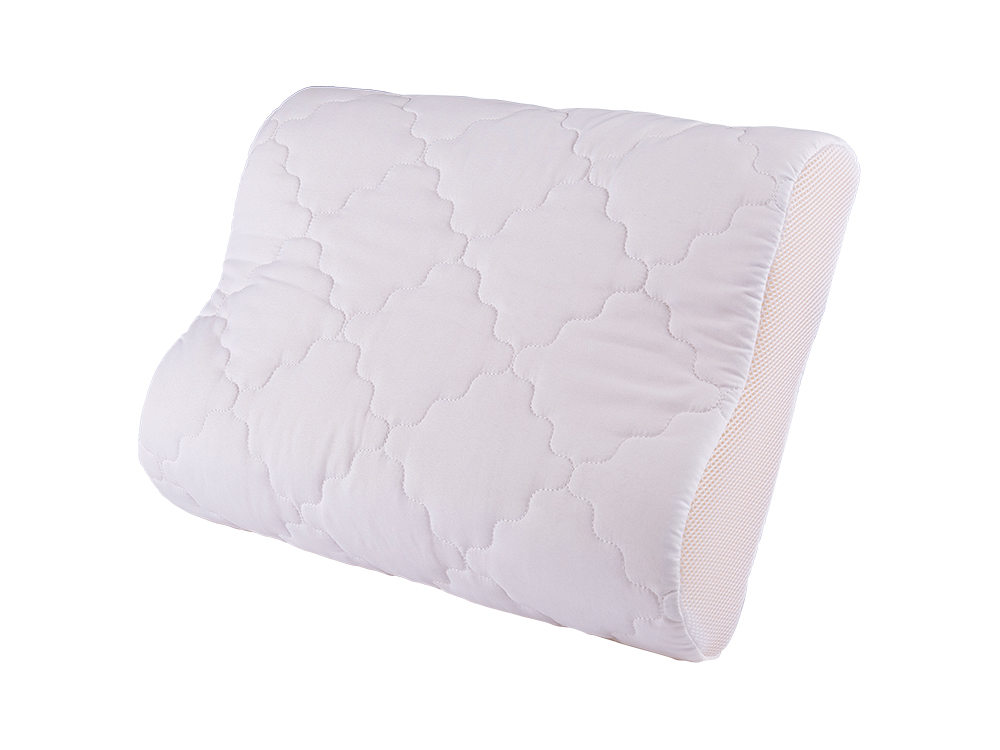
The hospitality sector is a quieter but high-volume channel. Hotels catering to business and leisure travelers in warm climates are actively upgrading their bedding programs. Guests notice sleep quality, and cooling quilts deliver a differentiating experience at modest cost per unit compared to mattress upgrades. The hotel channel favors consistent GSM specs, neutral colorways, and the ability to supply across multiple room categories. Pairing cooling quilts with a cooling pillow that complements temperature-regulating quilts creates a complete sleep-cool system — and a stronger pitch to hospitality procurement teams.
Regional importers and multi-category retailers in Southeast Asia, the Middle East, and Southern Europe are adding cooling quilts to their summer assortments as climate conditions intensify. In markets where air conditioning is inconsistent or expensive, a cooling quilt isn't a luxury — it's a practical solution. These buyers tend to prioritize price-to-performance ratio and packaging that's ready for local retail environments.
What to Look for When Sourcing Cooling Quilts
Sourcing a cooling quilt that performs in the market — not just in a factory showroom — requires looking beyond the product sample. Here's a practical framework:
- Verify Q-Max test data: Ask for third-party lab reports, not just supplier claims. Q-Max above 0.4 is the floor for a product that can credibly be marketed as cooling.
- Confirm certifications: OEKO-TEX Standard 100 is table stakes for any bedding entering European or North American retail. For brands with sustainability positioning, GRS (Global Recycled Standard) certification adds meaningful marketing support. Learn more about how GRS-certified manufacturing helps brands meet sustainability standards.
- Evaluate MOQ flexibility: Summer is a seasonal category. Buyers entering the market for the first time need a factory willing to work with lower initial quantities. A rigid 5,000-piece MOQ locks out a lot of legitimate first-order volume.
- Assess customization depth: Size range, fill weight options, shell fabric choices, labeling, and packaging are all levers that affect whether a product lands correctly in a specific retail environment. Factory-level customization — not just label swaps — separates strong suppliers from commodity ones.
- Request wash-durability data: Cooling fabrics can degrade with repeated washing if the construction isn't engineered for it. A quilt that stops performing after five washes will generate returns, not repeat orders.
The Factory-Direct Advantage in a Competitive Summer Window
Summer is a tight window. Retail buyers who miss the sourcing season lose the selling season. That's where factory-direct procurement creates a real structural advantage over buying through trading companies or intermediaries.
Lead times compress significantly when there's no middleman managing production schedules. A direct factory relationship means faster sample turnaround, faster bulk production confirmation, and the ability to make specification adjustments without waiting for a third party to relay messages — and mistakes — back and forth.
Cost structure is the other lever. Factory-direct pricing removes the trading company margin, which typically runs 10–20% above factory gate price. For a volume buyer, that margin difference is either a pricing advantage at retail or additional room to invest in packaging and branding.
Private label is increasingly the model of choice for buyers who want to build brand equity rather than resell generic products. A capable factory can take a buyer from fabric selection to finished, packaged, labeled product ready for their retail channel — and do so with the kind of quality consistency that supports repeat orders and customer trust.
The cooling quilt category is past its early-adopter phase and entering mainstream demand. The market data points upward. The consumer science supports the product. The sourcing infrastructure — particularly in China's established bedding manufacturing clusters — is mature enough to deliver consistent quality at scale. For buyers who move now, the opportunity is real. For those who wait until peak summer to start sourcing conversations, the window gets significantly tighter.

 +86-573-88798028